Address:
Lujiadi No. 24, Xiama Village, Yuantou Town, Zanhuang County, Shijiazhuang, Hebei 051230, China
Work Hours:
Mon - Sat: 9:00 AM - 6:00 PM (GMT+8)
Address:
Lujiadi No. 24, Xiama Village, Yuantou Town, Zanhuang County, Shijiazhuang, Hebei 051230, China
Work Hours:
Mon - Sat: 9:00 AM - 6:00 PM (GMT+8)
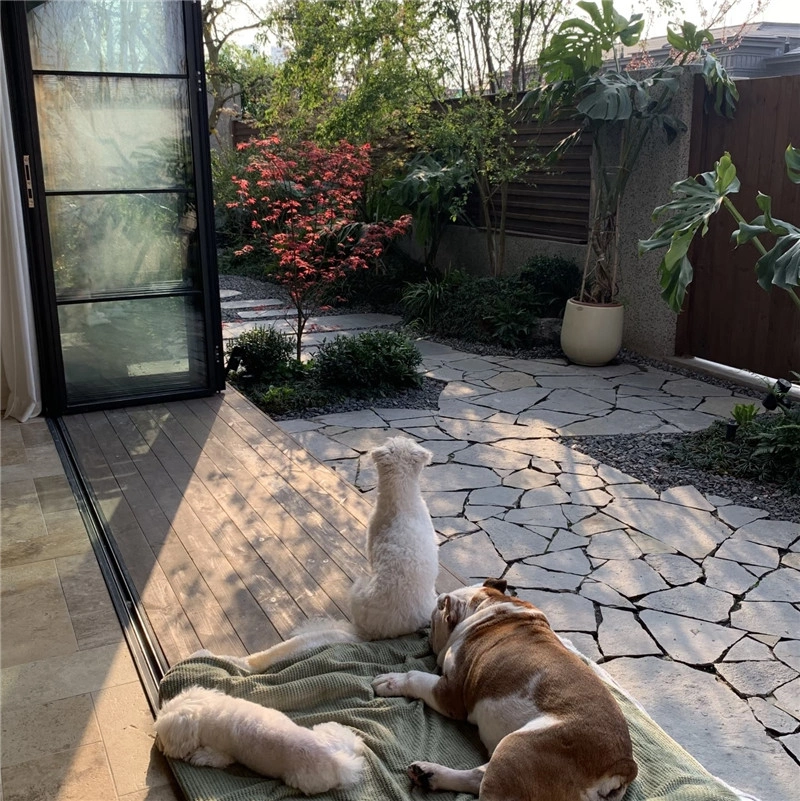
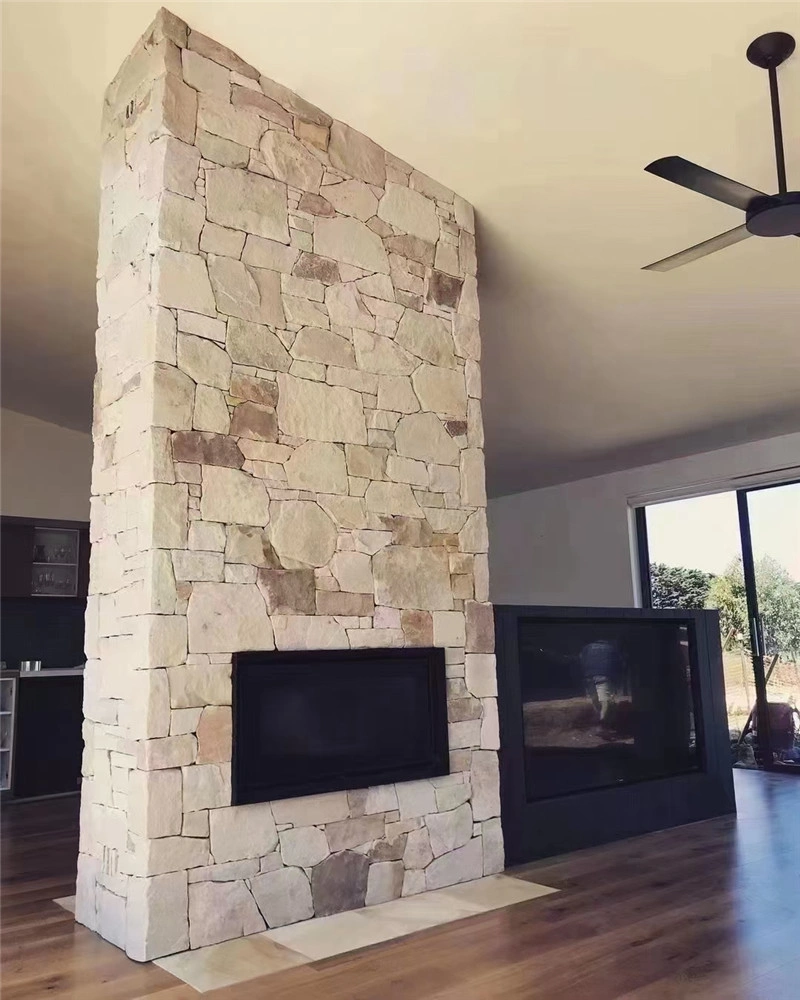
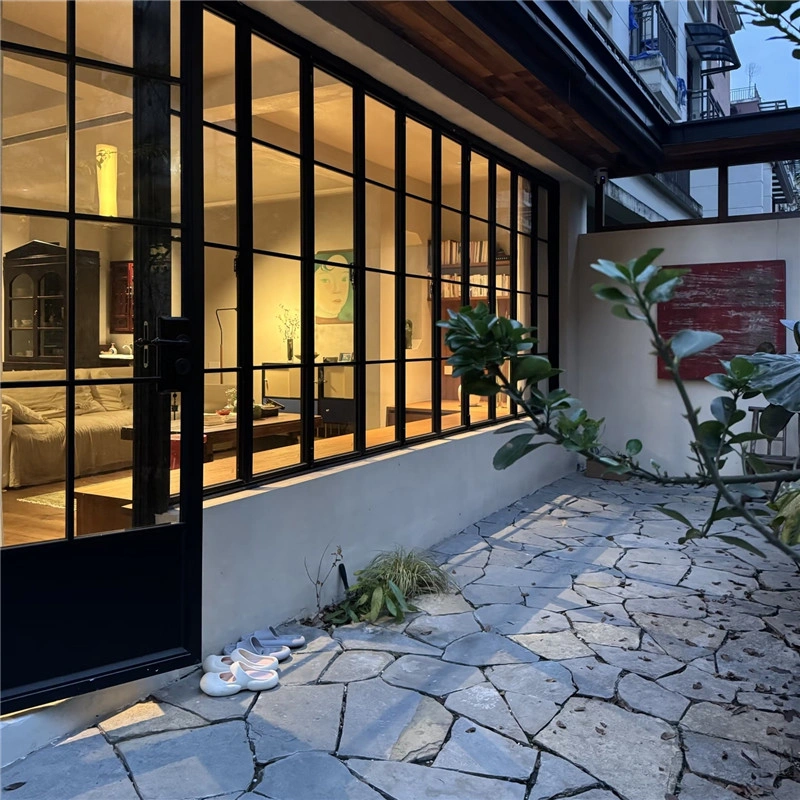
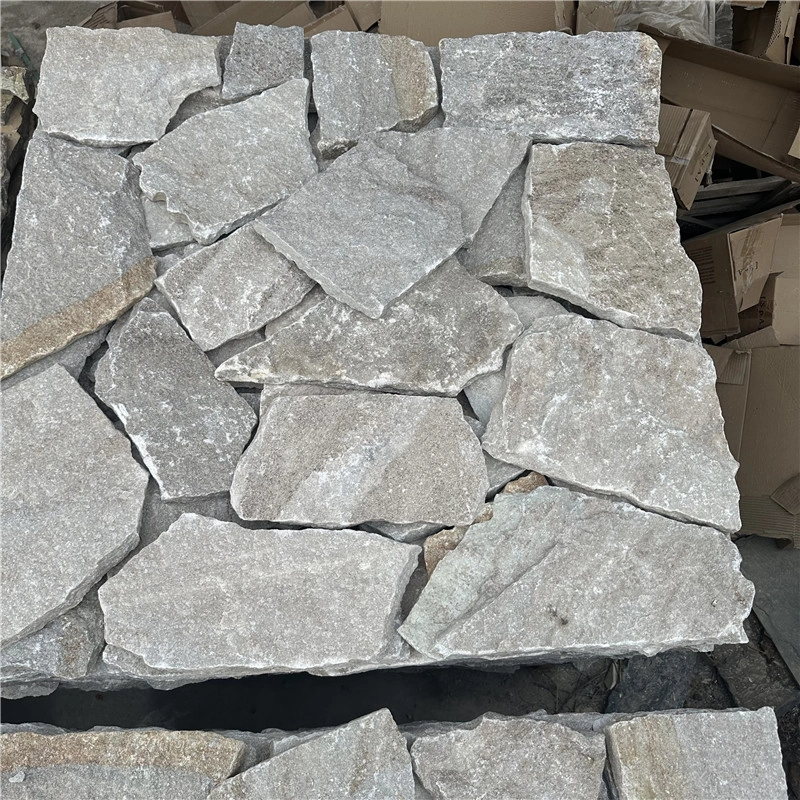
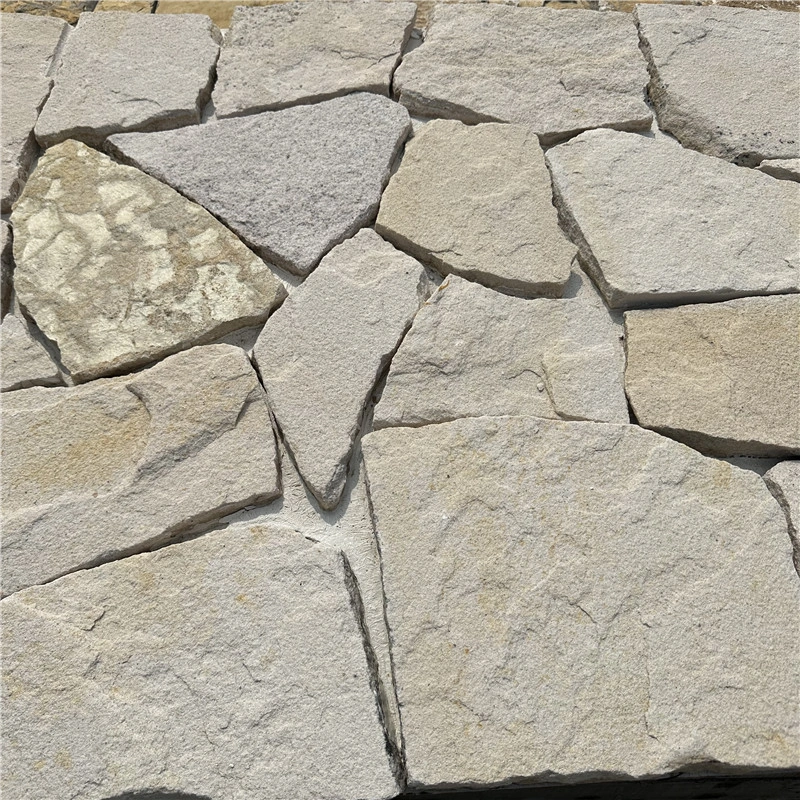
White sandstone design offers a natural way to create warm and visually balanced outdoor spaces. Natural white sandstone commonly features white, cream, ivory and light beige tones, with subtle variations in colour and texture between individual pieces. These variations give the material a more organic appearance and help avoid an overly uniform surface. For residential gardens, courtyards and landscape projects, white sandstone can be used for patios, pathways, seating areas and other outdoor spaces where a natural stone finish is preferred.
White sandstone also works well with a wide range of surrounding materials. Its light colour can create a clean visual background for lawns, plants, timber and darker stone, while its natural texture adds depth to the overall design. When planning a white sandstone design, stone size, shape, surface texture and installation pattern should be considered together with the surrounding architecture and landscape. This allows the material to become part of the overall design rather than simply functioning as a separate paving or wall surface.
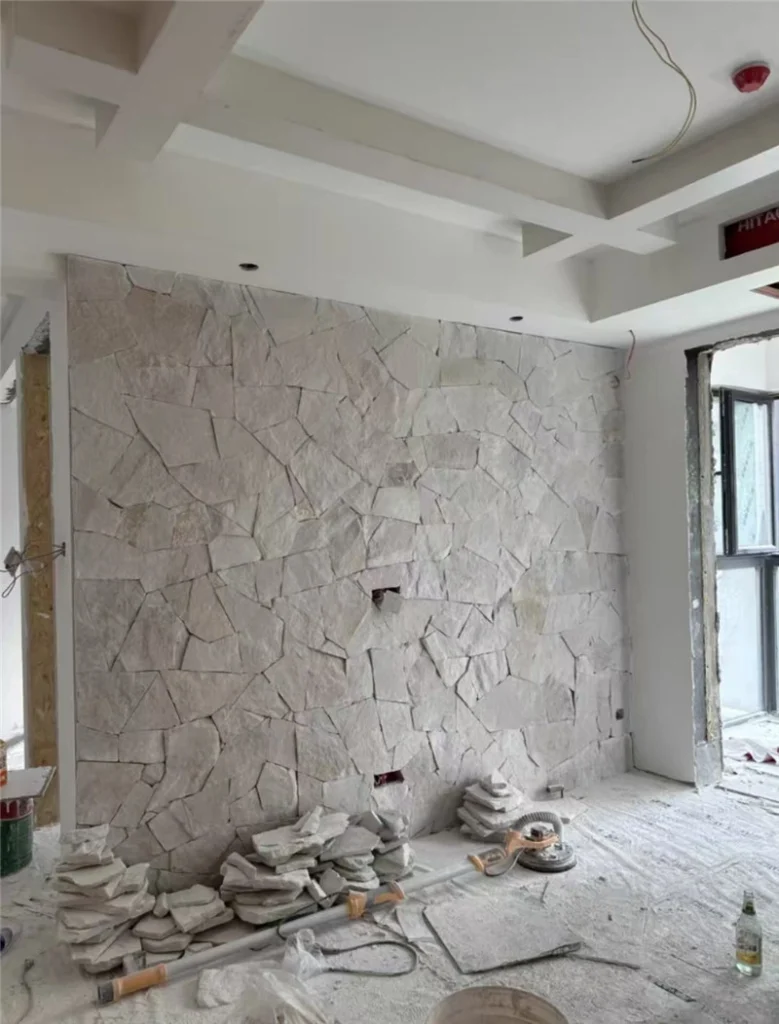
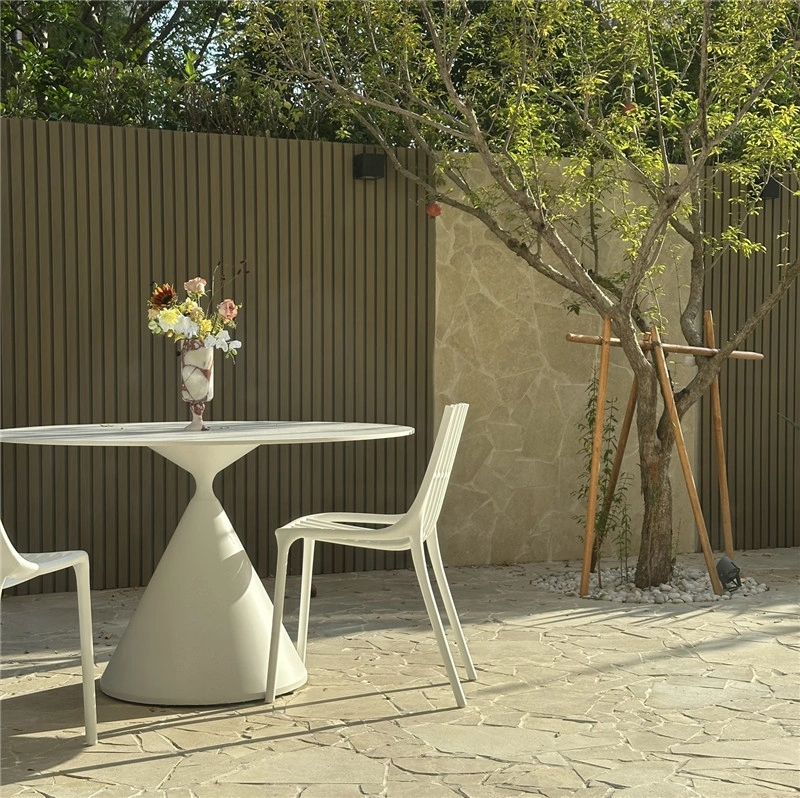
White sandstone crazy paving is suitable for outdoor areas where a more natural and irregular paving style is preferred. Instead of following a regular rectangular layout, naturally shaped sandstone pieces are arranged in an irregular pattern. The changing shapes and subtle colour differences create a relaxed surface that can work particularly well in patios, courtyards and garden paths. This style also allows the paving to connect visually with surrounding planting, lawns and other natural landscape elements.
The flexibility of white sandstone crazy paving makes it suitable for different landscape layouts. Larger pieces can be arranged across spacious patios to create a more open appearance, while smaller irregular pieces can be used along garden paths or around planting areas. The stone can also be combined with steps, garden borders and other hardscape materials to create transitions between different areas. Rather than making every piece identical, the goal is to maintain a balanced layout while allowing the natural character of the sandstone to remain visible.
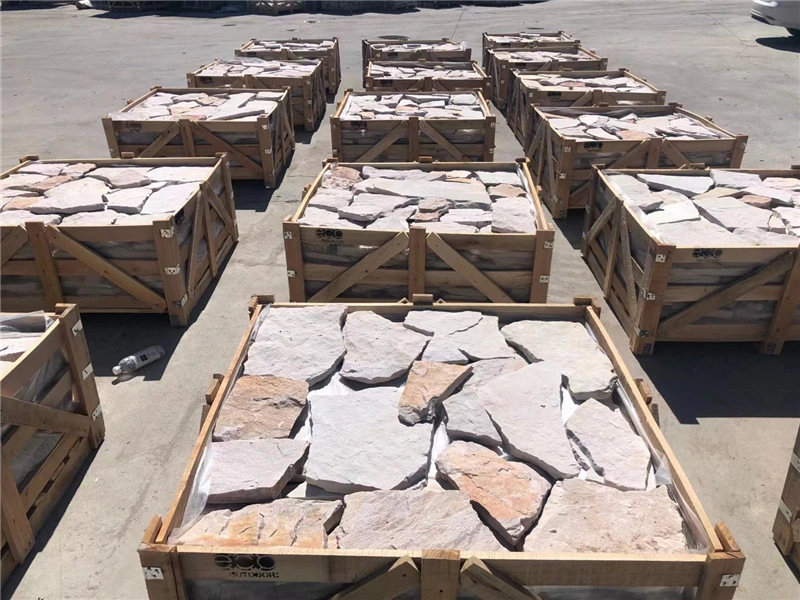
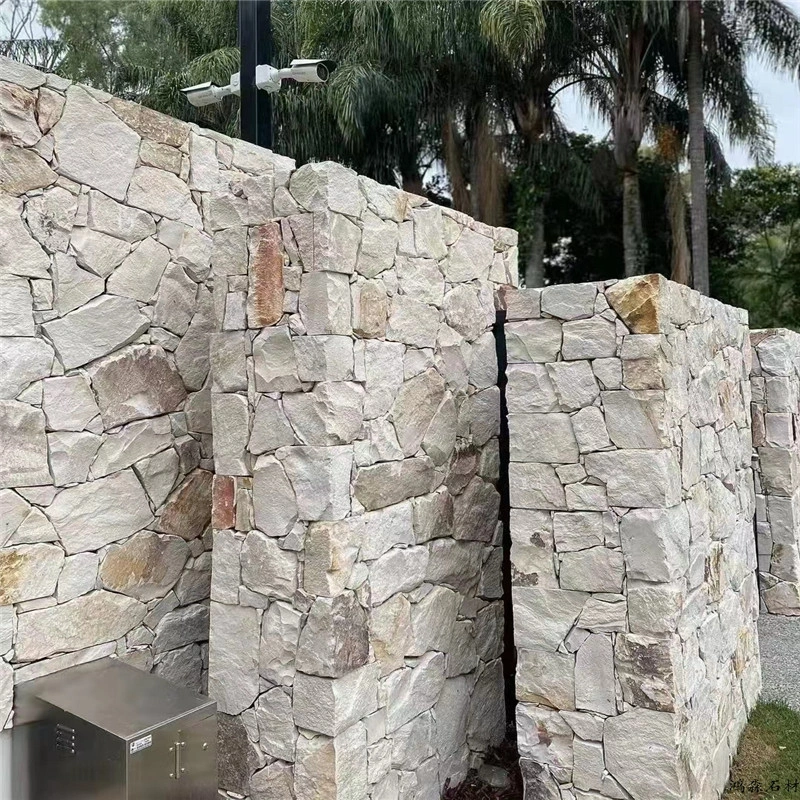
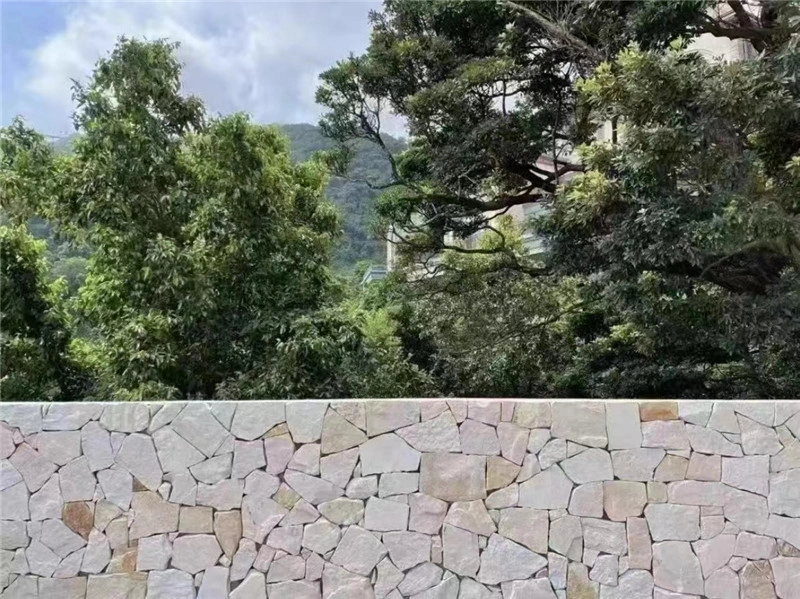
White sandstone design can also be extended to vertical surfaces, making it suitable for feature walls, garden boundaries and other landscape structures. A sandstone feature wall can introduce natural colour and texture to outdoor spaces while creating a clear visual focus. The soft white and beige tones can work particularly well with green planting and timber elements, helping the wall blend naturally into a garden environment. Depending on the selected stone shape and surface texture, the final wall can have either a more structured appearance or a naturally irregular character.
White sandstone wall design can also be coordinated with paving to create a more consistent landscape concept. For example, a patio paved with white sandstone can connect visually with a nearby feature wall or garden boundary using a compatible stone style. The same natural material does not need to be used in exactly the same format everywhere. Different stone sizes and layouts can create visual variety while maintaining a consistent colour and material direction. This makes natural white sandstone suitable for projects that combine patios, pathways, feature walls and landscaping within one overall outdoor design.
When selecting sandstone for a wall, it is important to consider the surrounding environment, wall height and intended visual effect. A low garden wall may use larger, naturally textured pieces to create a relaxed appearance, while a taller feature wall may benefit from a more consistent layout and carefully controlled joints. Lighting can also enhance the surface, especially during the evening, by highlighting the natural texture and subtle colour changes of the stone. With suitable planning, white sandstone can provide both practical structure and a warm decorative finish, helping outdoor spaces feel connected, natural and visually complete.