Address:
Lujiadi No. 24, Xiama Village, Yuantou Town, Zanhuang County, Shijiazhuang, Hebei 051230, China
Work Hours:
Mon - Sat: 9:00 AM - 6:00 PM (GMT+8)
Address:
Lujiadi No. 24, Xiama Village, Yuantou Town, Zanhuang County, Shijiazhuang, Hebei 051230, China
Work Hours:
Mon - Sat: 9:00 AM - 6:00 PM (GMT+8)
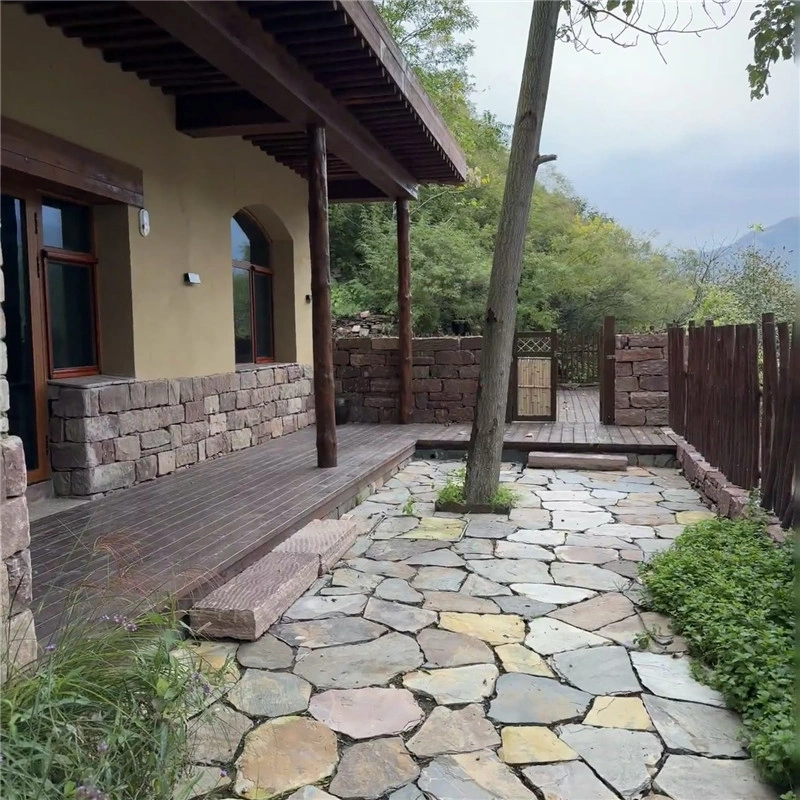
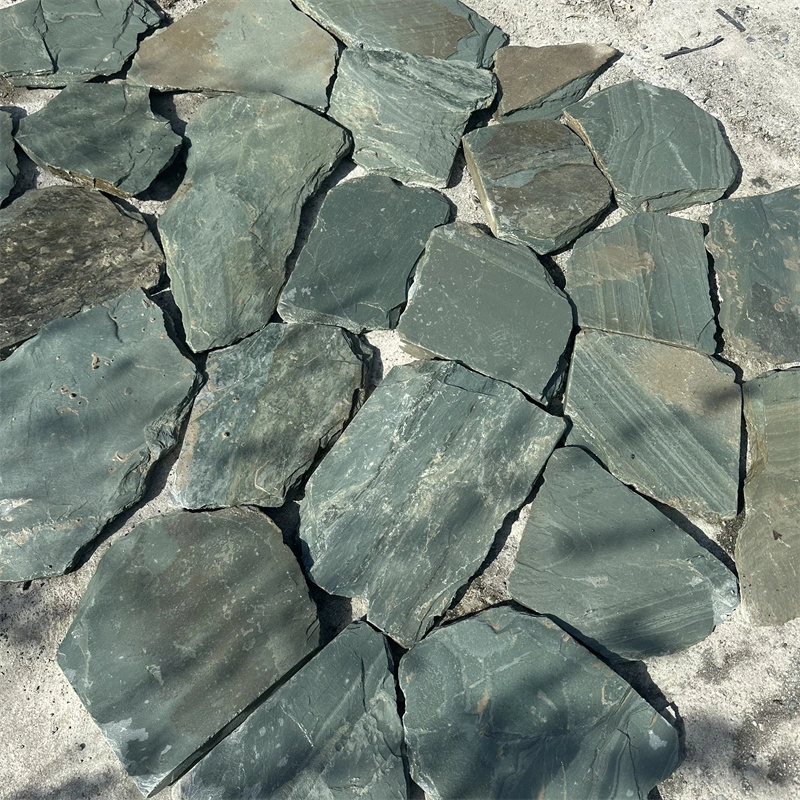
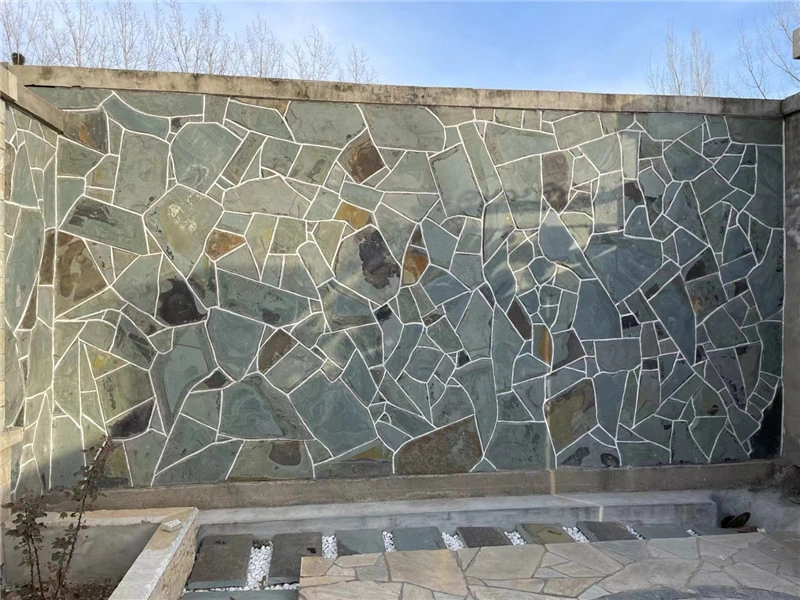
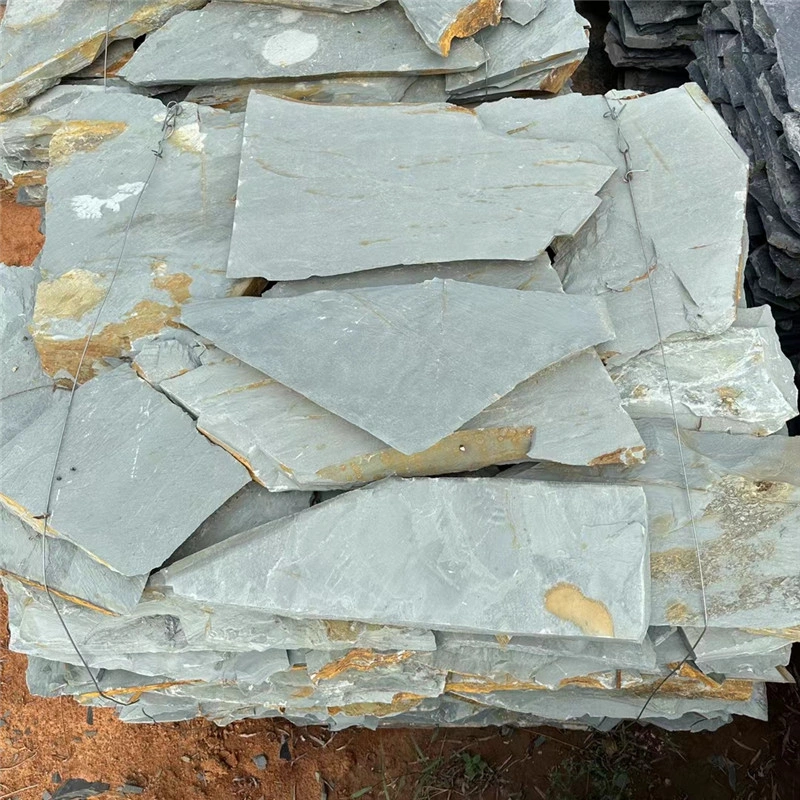
Green‑Grey Crazy Paving is suited to spaces where a natural stone surface with irregular shapes is preferred over a regular geometric paving pattern. This versatile natural stone features a colour that combines grey with subtle green tones, giving the stone a relatively muted appearance that can work alongside planting, timber, concrete, brick and other neutral architectural materials. Because the individual pieces are not uniform in shape, they can be arranged according to the dimensions and layout of the area rather than following a fixed rectangular grid. This makes Green‑Grey Crazy Paving suitable for gardens, courtyards, villa landscapes and other outdoor spaces where the paving needs to follow a more organic layout. The natural variation between individual pieces also means that the finished surface will have changes in colour, shape and texture rather than appearing completely uniform. For designers, this can be useful when the surrounding landscape already contains different natural materials and the paving needs to integrate with them. The stone can also be used to create transitions between built surfaces and planted areas, such as the connection between a patio and garden path or between an entrance and a planting bed. Rather than treating the material as a single‑purpose paving product, its irregular format allows it to be considered as part of a wider landscape surface design.
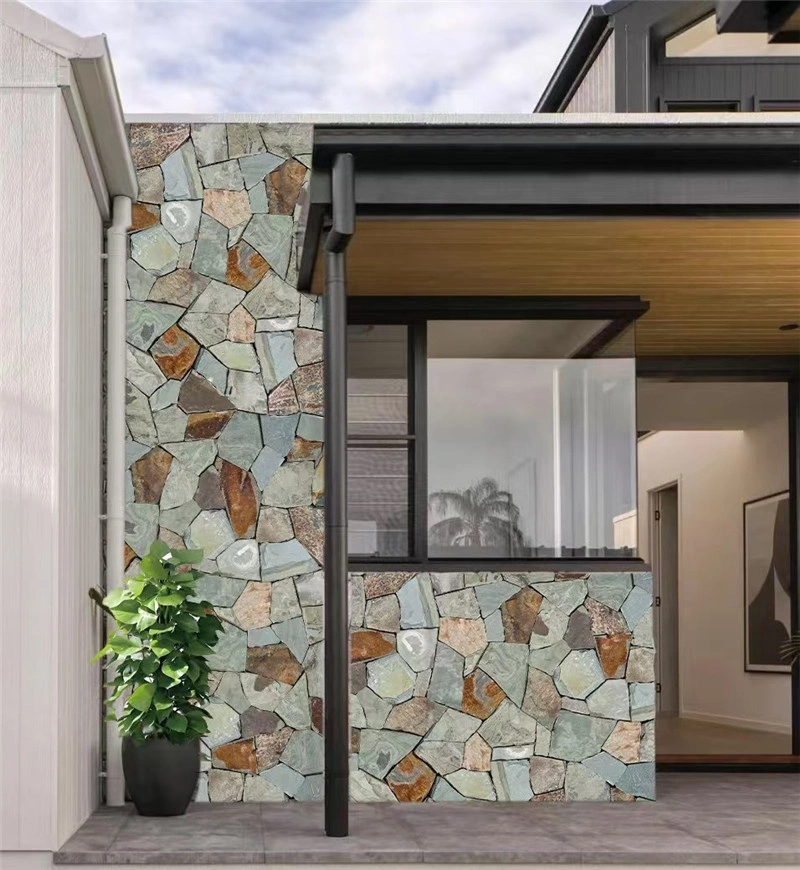
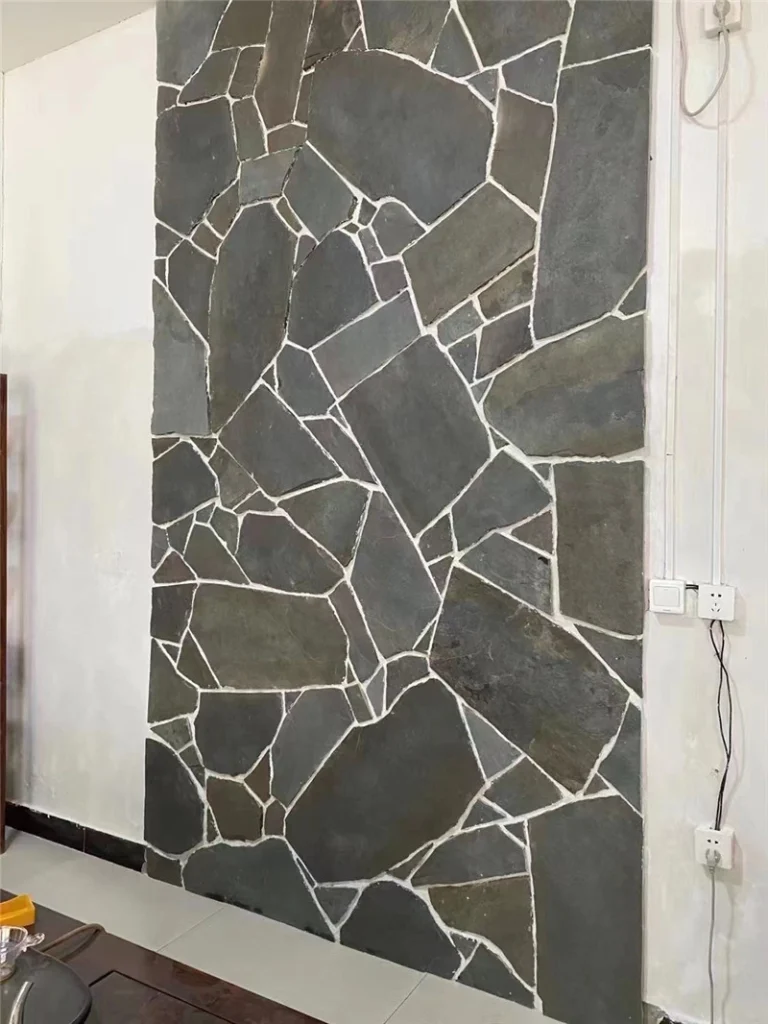
For outdoor paving, Green‑Grey Crazy Paving can be used for garden paths, patios, courtyards, villa entrances, pedestrian areas and selected landscape surfaces. Garden paths can benefit from the irregular format because individual pieces can be arranged to follow changes in direction or width.While patios and courtyards can use a combination of larger and smaller pieces to create a random paving layout. Around villa entrances, the stone can help connect the architectural structure with the surrounding garden, particularly when other natural materials are used in the landscape.The same colour range can also be introduced to garden boundary walls, retaining walls and exterior feature areas. Using the material on both horizontal and vertical surfaces can create a visual relationship between different parts of the landscape without requiring exactly the same installation pattern.For example, an outdoor patio may use larger irregular pieces, while a nearby garden wall can use smaller pieces with a different arrangement. In garden projects, the paving can also be combined with planting beds, steps, timber structures and concrete edges.These combinations are useful when the design requires a gradual transition between hardscape and softscape areas. The irregular pieces can be adjusted around corners, edges and changes in the landscape layout, although the actual installation pattern will depend on the available stone sizes and the requirements of the site.
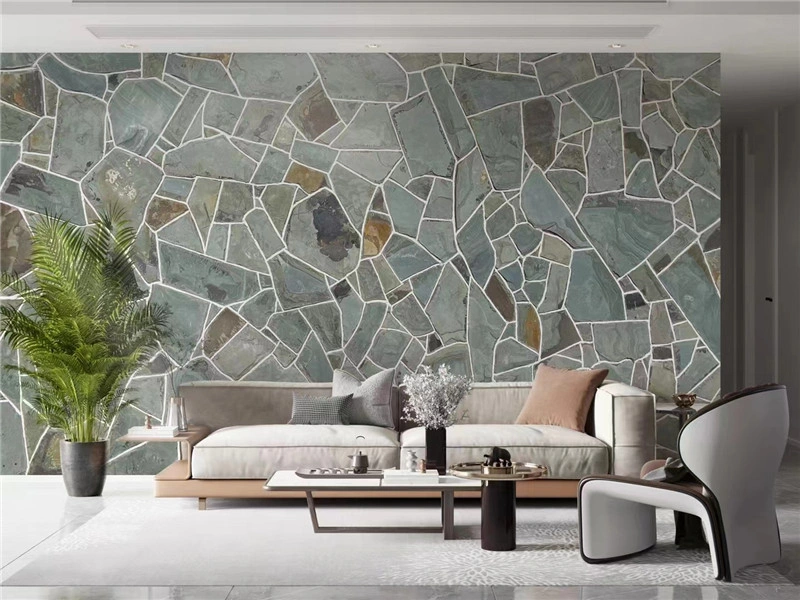
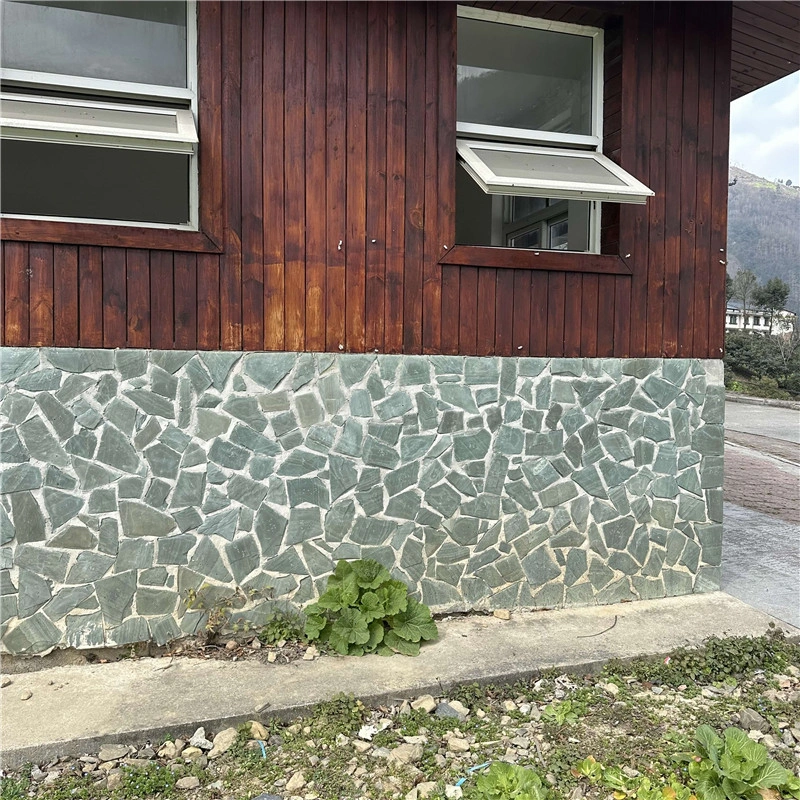
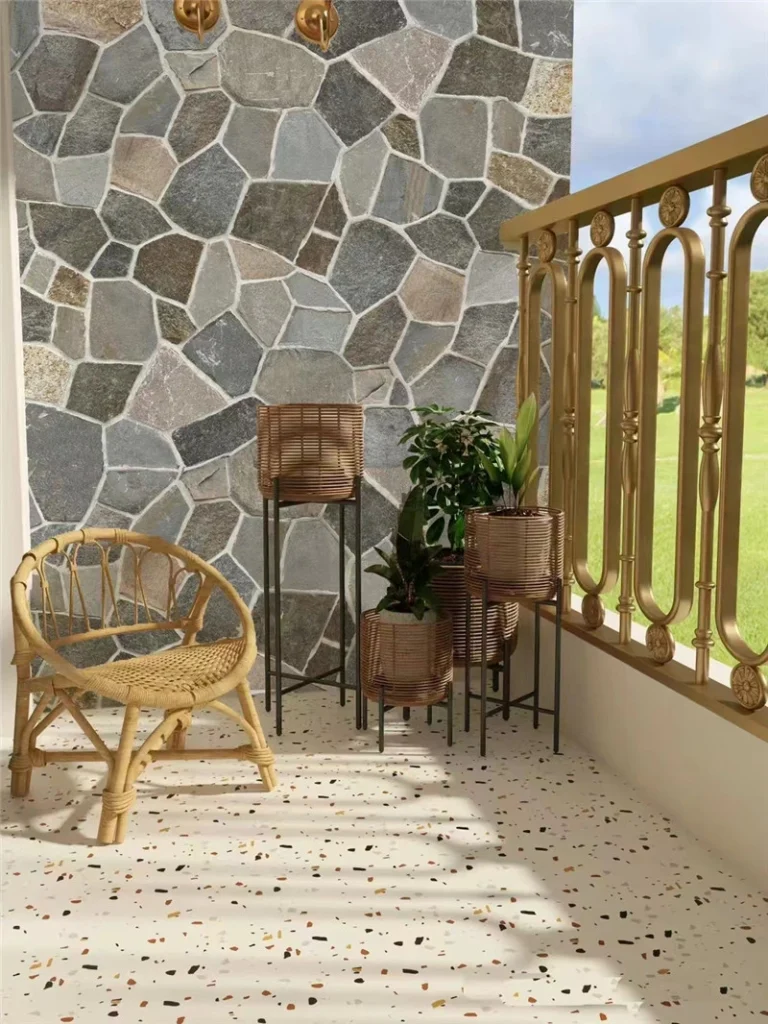
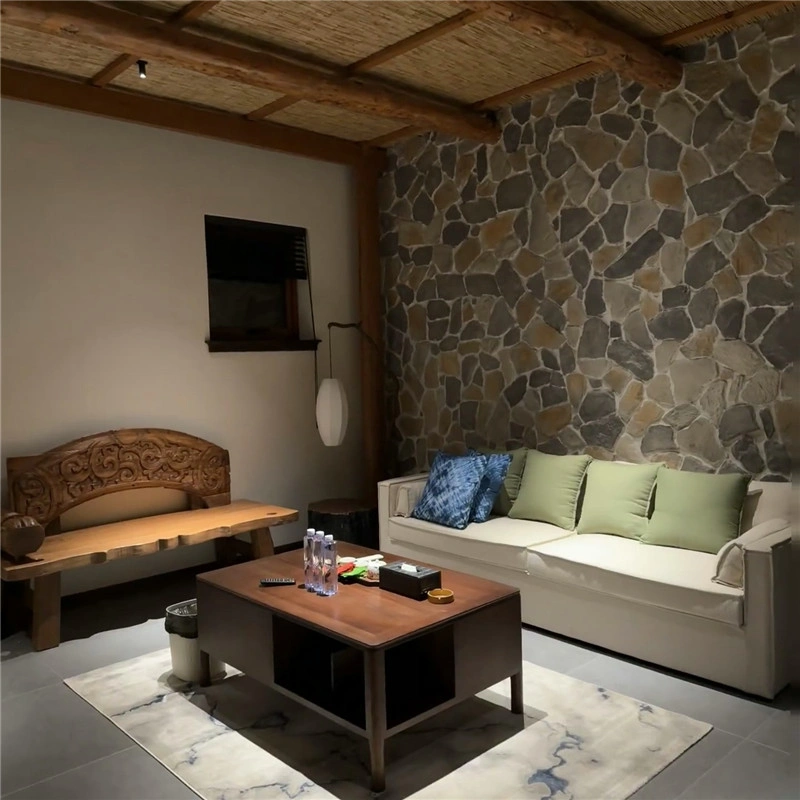
Green‑Grey Crazy Paving can also be considered for selected wall and feature applications in residential and landscape design. Garden boundary walls, retaining structures, entrance walls and exterior feature walls can use irregular stone pieces to introduce a natural surface texture. The grey‑green colour can work particularly well in garden environments because it relates visually to foliage and other natural tones without creating a strong contrast. In residential settings, the material may also be used around outdoor seating areas, courtyards, garden entrances and selected feature surfaces. For interior applications, it can be considered for feature walls or indoor‑outdoor transition areas where a natural irregular stone appearance is required. When planning these applications, the stone should be selected according to the intended use rather than colour alone. Thickness, piece size, surface characteristics, installation method, drainage and local site conditions can all affect the suitability of the material for a particular area. For paving, the expected foot traffic and ground preparation should be considered, while wall applications require attention to the substrate and fixing method. The final appearance will also depend on how the individual pieces are selected and arranged. This flexibility is one of the main characteristics of crazy paving: instead of producing an identical pattern across every installation, the irregular format allows the stone to respond to the shape, scale and material combination of each garden, courtyard, pathway or architectural space.