Address:
Lujiadi No. 24, Xiama Village, Yuantou Town, Zanhuang County, Shijiazhuang, Hebei 051230, China
Work Hours:
Mon - Sat: 9:00 AM - 6:00 PM (GMT+8)
Address:
Lujiadi No. 24, Xiama Village, Yuantou Town, Zanhuang County, Shijiazhuang, Hebei 051230, China
Work Hours:
Mon - Sat: 9:00 AM - 6:00 PM (GMT+8)
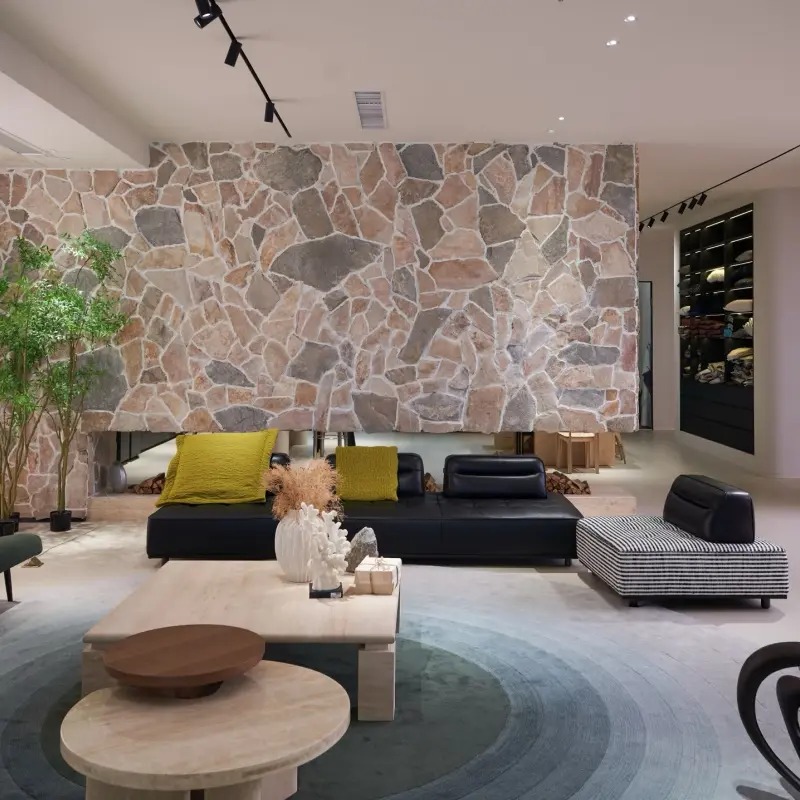
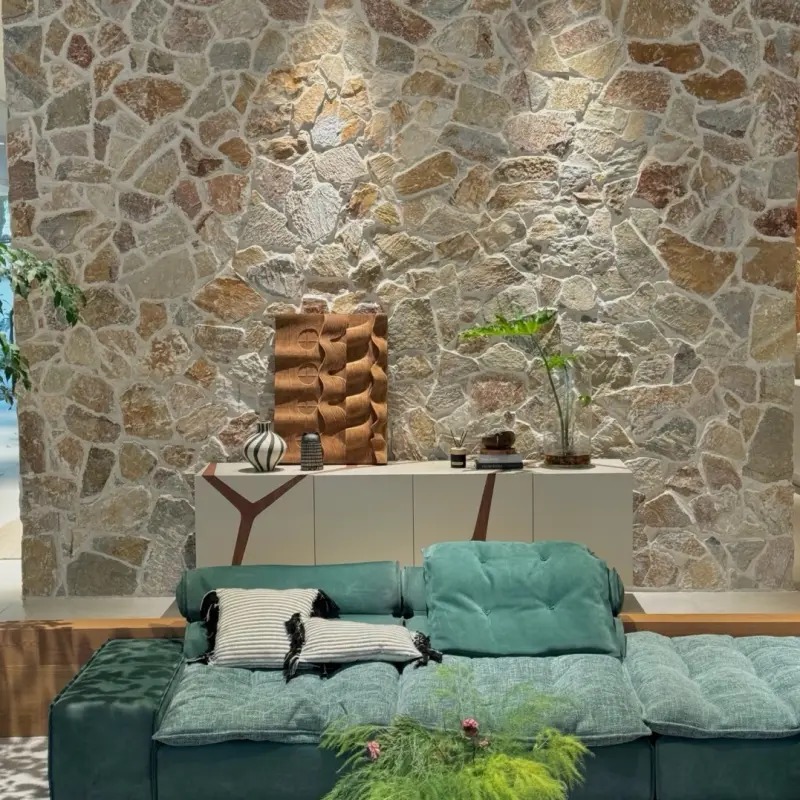
A Yellow Stone Interior Wall is a practical way to introduce natural material, warm color, and authentic texture into residential and commercial interiors. Natural yellow stone offers variations in tone and surface texture that cannot be fully replicated by uniform manufactured finishes, making each wall visually distinctive.
Yellow stone is available in different shades, from soft beige and warm yellow to golden and earthy tones. This natural color range makes it easier to coordinate with timber, neutral finishes, plaster walls, and contemporary furniture. For interior designers and architects, it provides flexibility when developing a material palette for modern residential, hospitality, and commercial projects.
Another advantage is the texture of natural stone. Depending on the stone type and finish, the surface can provide a subtle textured appearance or a stronger rustic character. This makes yellow stone suitable for feature walls where the material itself becomes part of the interior design.
For projects that require a natural and durable wall finish with distinctive visual character, yellow stone can be considered for both small accent areas and larger feature walls.
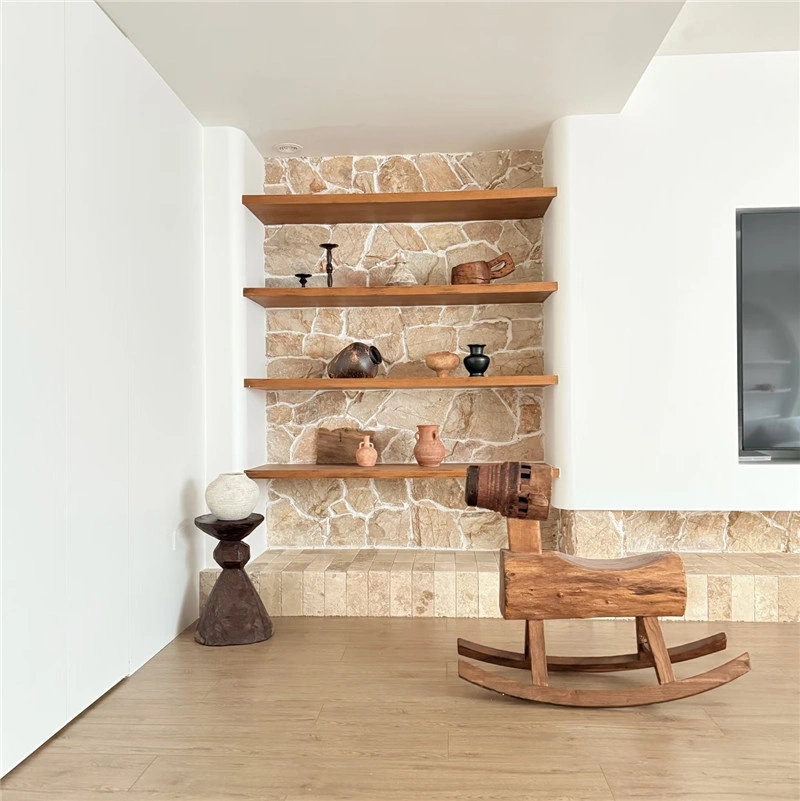
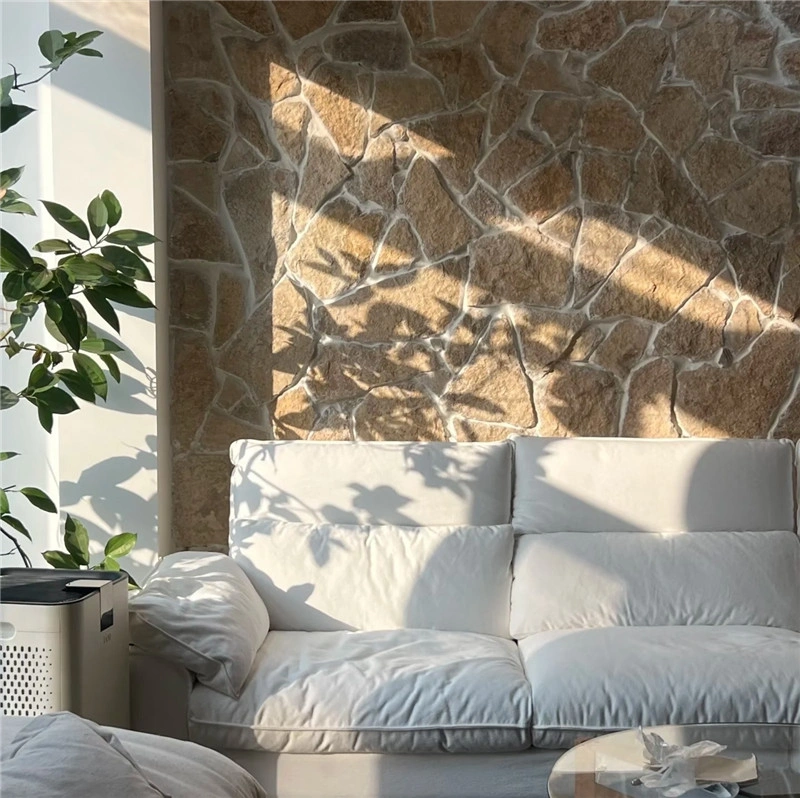
A Yellow Stone Interior Wall can bring warmth, texture, and natural character to an interior space. Unlike perfectly uniform manufactured finishes, natural stone has subtle variations in color, surface texture, shape, and pattern. These natural differences give the wall a more authentic appearance and help create a distinctive interior atmosphere.
Yellow stone is particularly attractive for interiors because of its warm color palette. Depending on the stone, shades can range from soft yellow and warm beige to golden and earthy tones. These colors can work naturally with timber, neutral fabrics, simple furniture, plaster, and other natural materials.
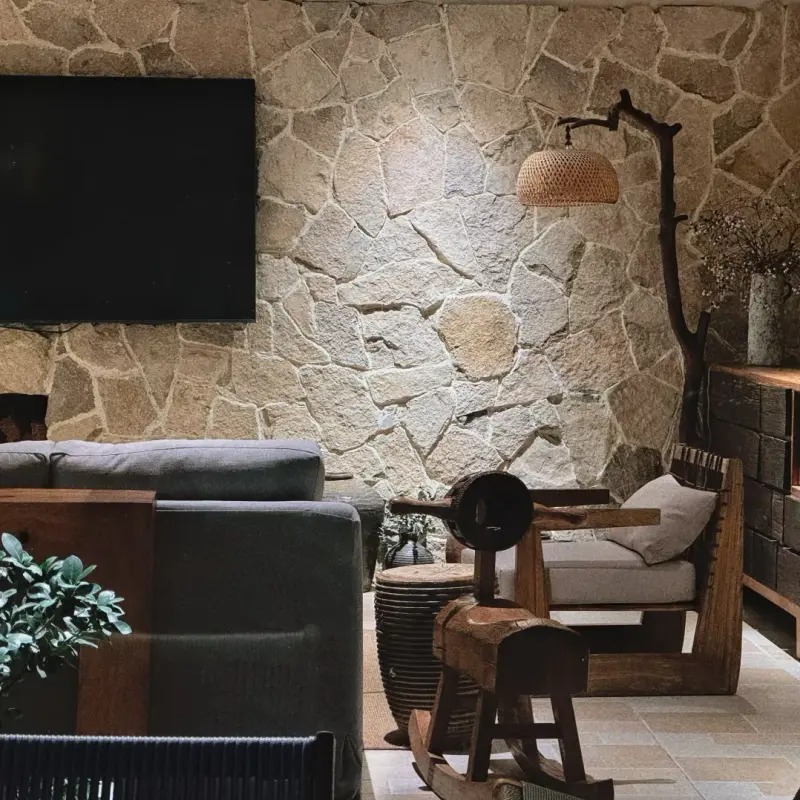
For designers, this makes yellow stone a versatile material for creating a comfortable yet refined interior. It can add visual interest without requiring strong decorative colors or complicated patterns. The natural surface also creates depth, especially when light falls across the textured stone.
For commercial interiors such as hotels, restaurants, reception areas, and retail spaces, yellow stone can also help create a recognizable material character. In residential projects, it works particularly well when used selectively as a feature wall rather than covering the entire interior.
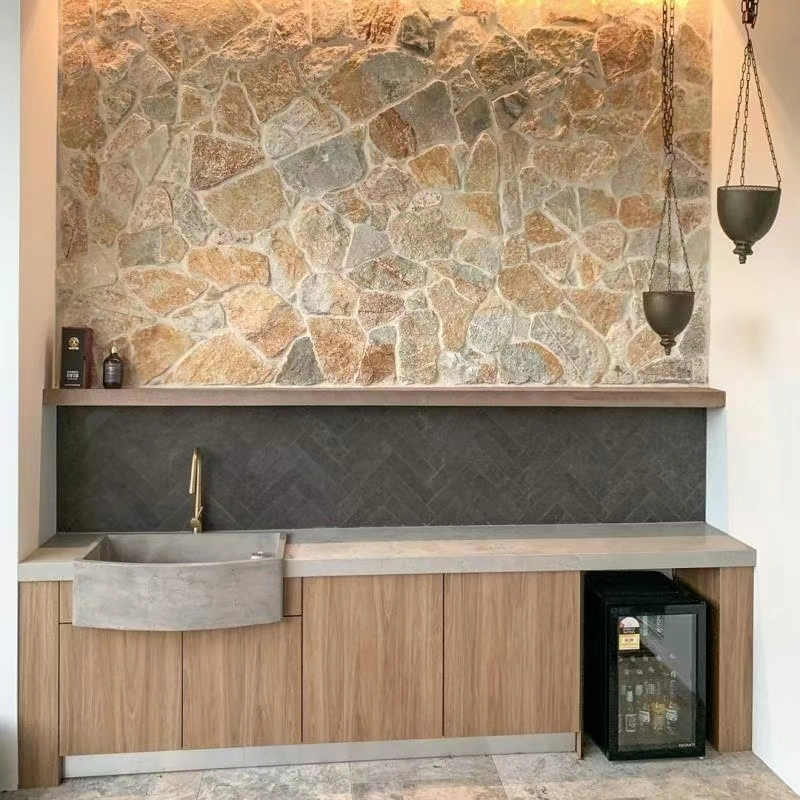
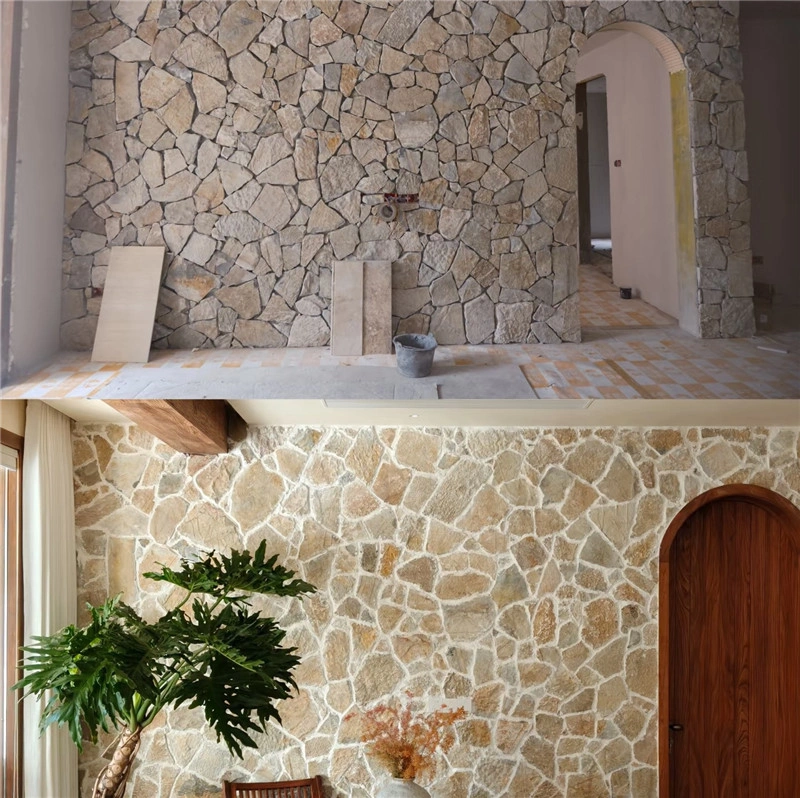
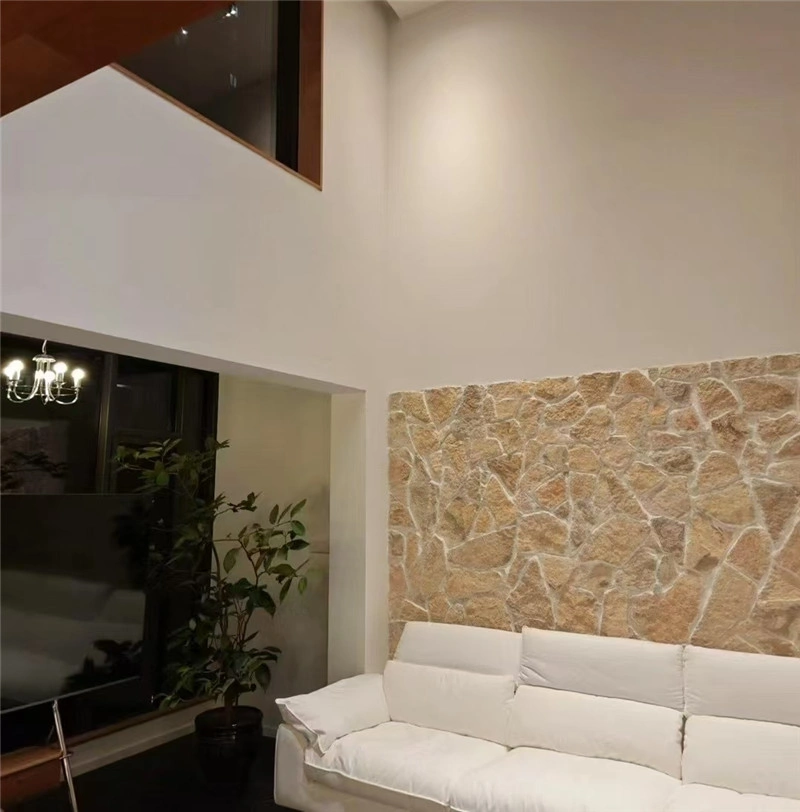
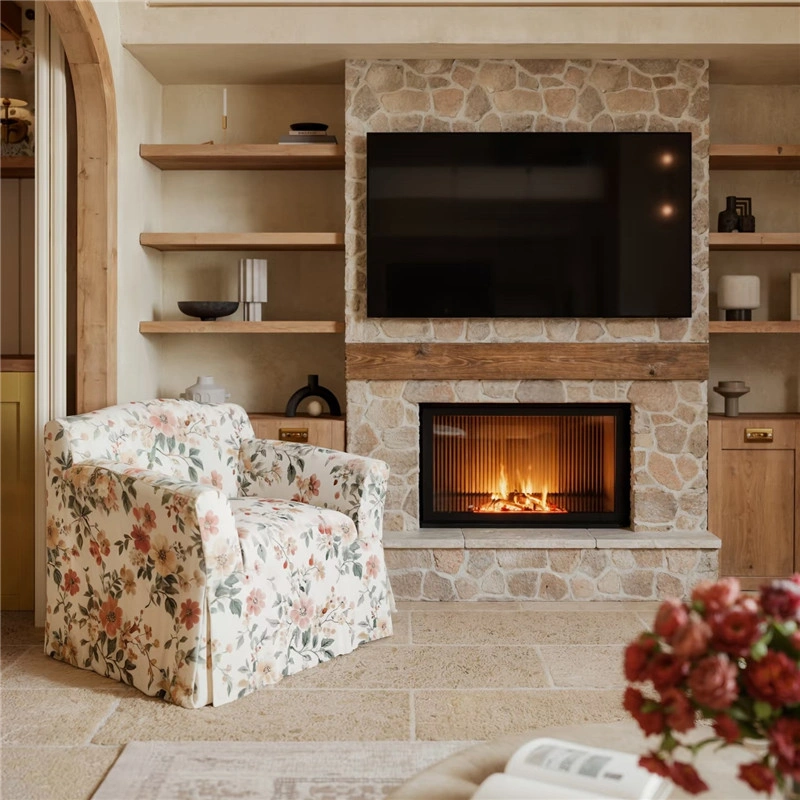
There are many ways to incorporate a Yellow Stone Interior Wall into an interior project. In living rooms, natural stone can be installed as a feature wall behind a sofa or TV area, creating a strong architectural focal point without relying on excessive decoration.
For dining areas, yellow stone can be used on a selected wall to add warmth and connect the interior with other natural materials. Combining the stone with wood furniture, neutral fabrics, and simple lighting can create a balanced material combination suitable for contemporary residential interiors.
Yellow stone can also be considered for entrance walls, reception areas, corridors, and other spaces where a distinctive material finish is required. In hospitality and commercial interiors, a carefully selected stone wall can help establish a consistent design identity while providing natural texture.
For designers working on different project styles, the stone can be coordinated with both modern and rustic interiors. The final appearance will depend on the stone’s natural color variation, size, shape, surface finish, joint layout, and installation method.
When sourcing a Yellow Stone Interior Wall material, appearance is only one part of the selection process. Designers, contractors, and importers should also consider the stone type, available sizes, thickness, surface finish, color range, and suitability for the intended interior application.
Natural stone normally has variations in color and texture. These variations are part of its natural character and should be considered when reviewing samples for a project. For larger projects, requesting samples or project-specific material information can help confirm the expected appearance before production.
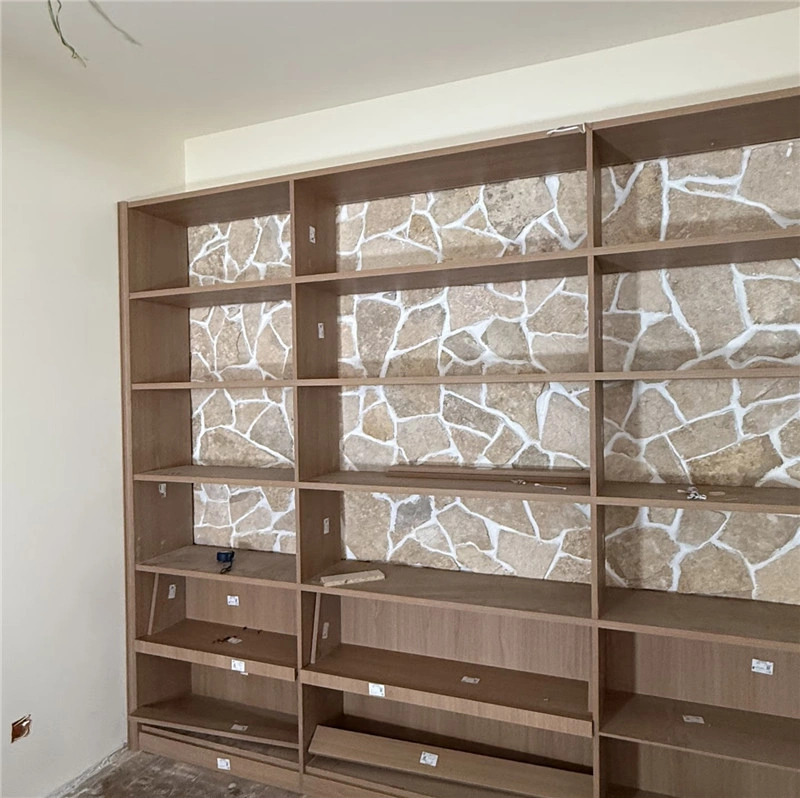
The installation method should also be considered according to the stone format and wall substrate. Proper surface preparation, suitable stone adhesive, joint treatment, and professional installation can help achieve a stable and consistent finished wall.
For wholesale and project supply, packaging and transportation are also important. Stone should be properly packed to reduce the risk of damage during handling and international shipment. Clear specifications for material type, size, thickness, finish, quantity, and packing can make communication between suppliers, designers, contractors, and buyers more efficient.
With the right material selection and installation planning, yellow natural stone can provide a distinctive interior wall finish that combines natural texture, warm color, and long-term design appeal.