Address:
Lujiadi No. 24, Xiama Village, Yuantou Town, Zanhuang County, Shijiazhuang, Hebei 051230, China
Work Hours:
Mon - Sat: 9:00 AM - 6:00 PM (GMT+8)
Address:
Lujiadi No. 24, Xiama Village, Yuantou Town, Zanhuang County, Shijiazhuang, Hebei 051230, China
Work Hours:
Mon - Sat: 9:00 AM - 6:00 PM (GMT+8)
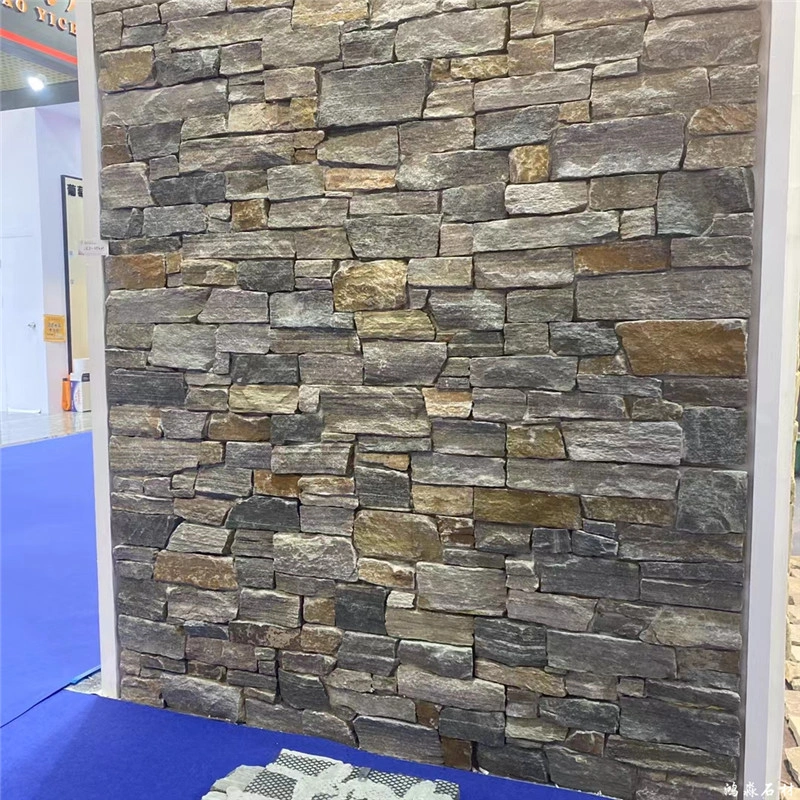
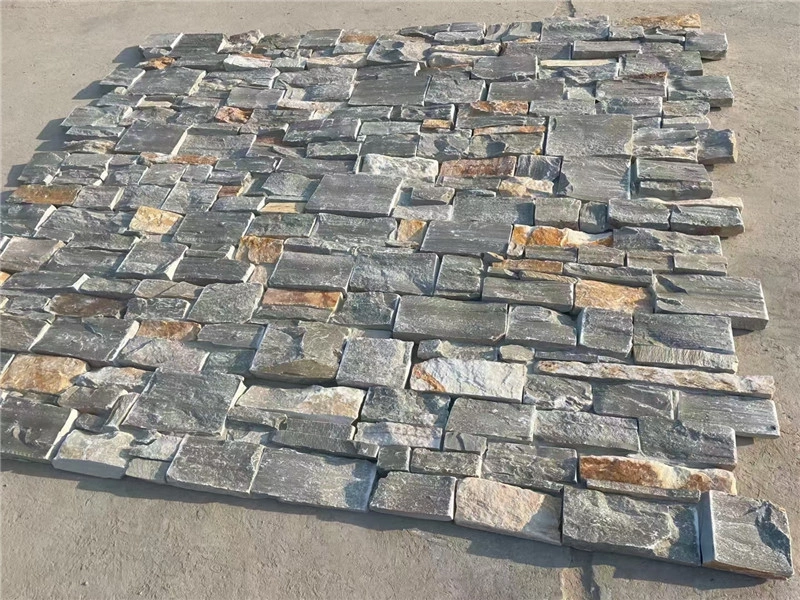
Rustic Grey Stacked Stone offers a natural way to introduce texture, depth, and visual variation into modern architecture and interior design. Its grey tones create a neutral foundation that works well with concrete, timber, glass, metal, and other contemporary materials, while subtle variations in tone and surface texture prevent walls from looking overly uniform.
For architects, designers, builders, and material buyers, the appeal of this type of natural stone is not limited to its color. The irregular stone faces and layered appearance can create a more tactile architectural surface, making it suitable for both residential and commercial applications. Depending on the stone profile, dimensions, and finish, it can be considered for exterior walls, interior feature areas, landscape structures, and other spaces where natural material character is important.
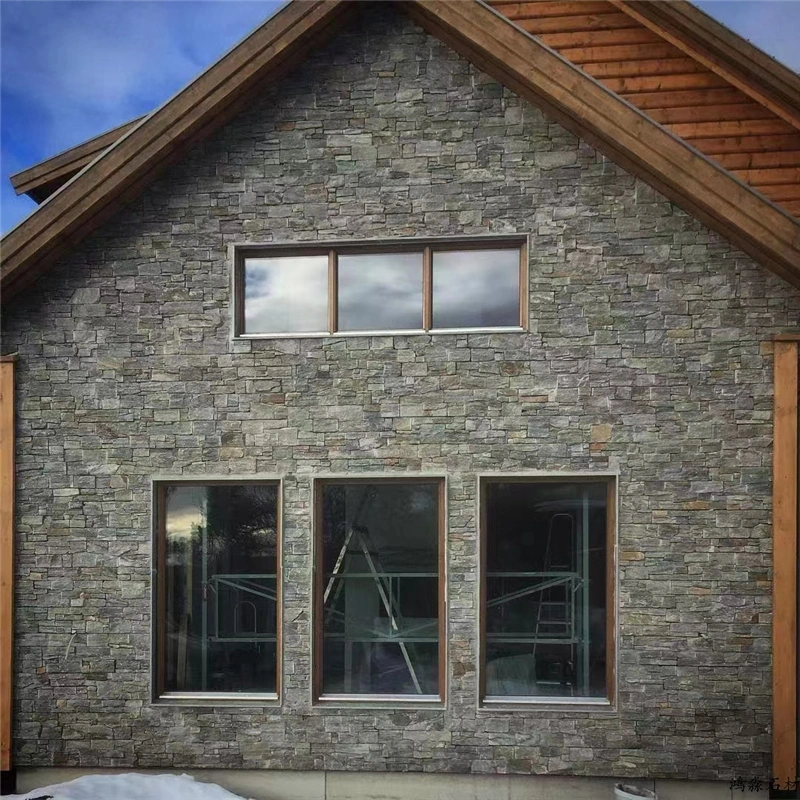
Exterior walls are one of the most natural applications for Rustic Grey Stacked Stone. The combination of grey tones and irregular stone surfaces can add depth to contemporary residential facades without making the architecture look overly formal or artificial.
It can be used on selected facade sections, entrance walls, garden walls, boundary walls, and other architectural features. Instead of covering an entire building, designers can use stacked stone as an accent material to create contrast between solid stone surfaces and smoother materials such as rendered walls, concrete, timber, or large areas of glass.
For residential projects, this approach can work particularly well around entrances, garages, terraces, and outdoor living areas. The rustic character of the stone can soften modern architectural lines while maintaining a neutral color palette.
Commercial projects can also benefit from this material approach. Hospitality properties, restaurants, retail spaces, and boutique developments may use grey stacked stone to establish a stronger material identity around entrances, reception areas, exterior walls, or landscape features.
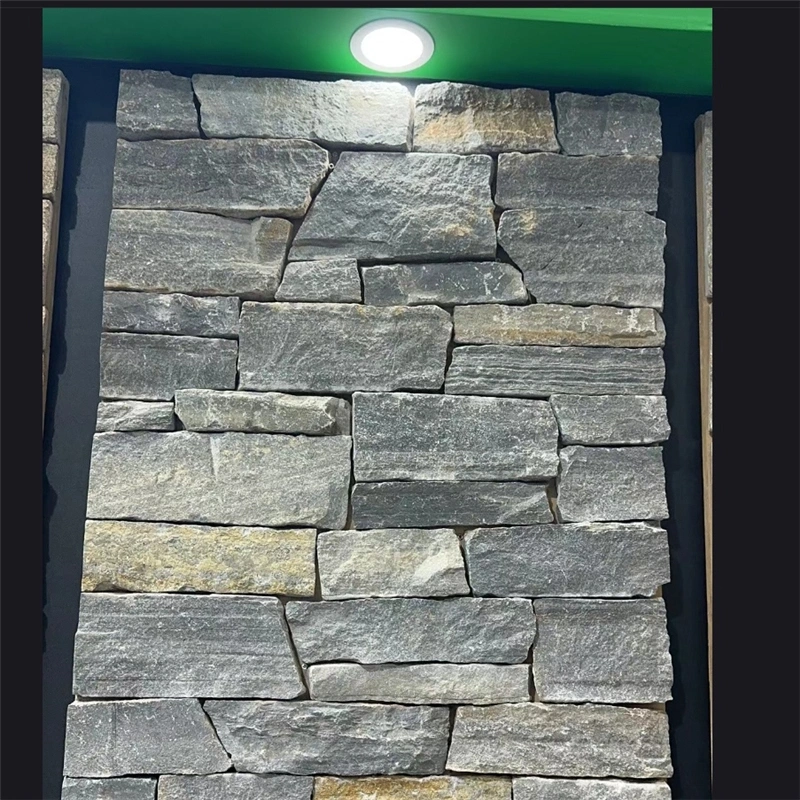
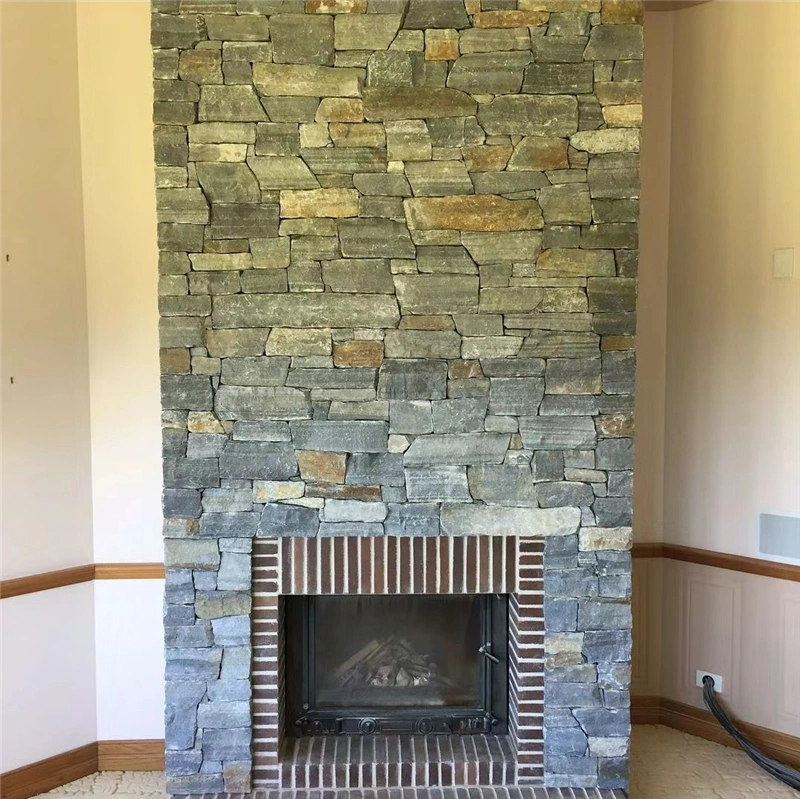
Although stacked stone is commonly associated with exterior applications, Rustic Grey Stacked Stone can also create distinctive interior feature areas. The natural surface provides visual texture that can make a large wall more engaging without relying on strong colors or decorative patterns.
In residential interiors, it can be considered for living room feature walls, entrance areas, stair walls, dining spaces, and selected architectural details. Grey stone works particularly well with warm timber, neutral fabrics, black metal, concrete, and soft lighting, allowing designers to create a balanced combination of natural and contemporary materials.
For hospitality and commercial interiors, the material can help define focal points without dominating the entire space. It may be used behind reception desks, in hotel corridors, restaurant feature walls, lounge areas, or retail interiors where a natural architectural element is desired.
The final visual effect depends on stone size, joint treatment, lighting, surrounding materials, and installation pattern. For this reason, designers should evaluate physical samples rather than relying only on digital images when developing a material palette.
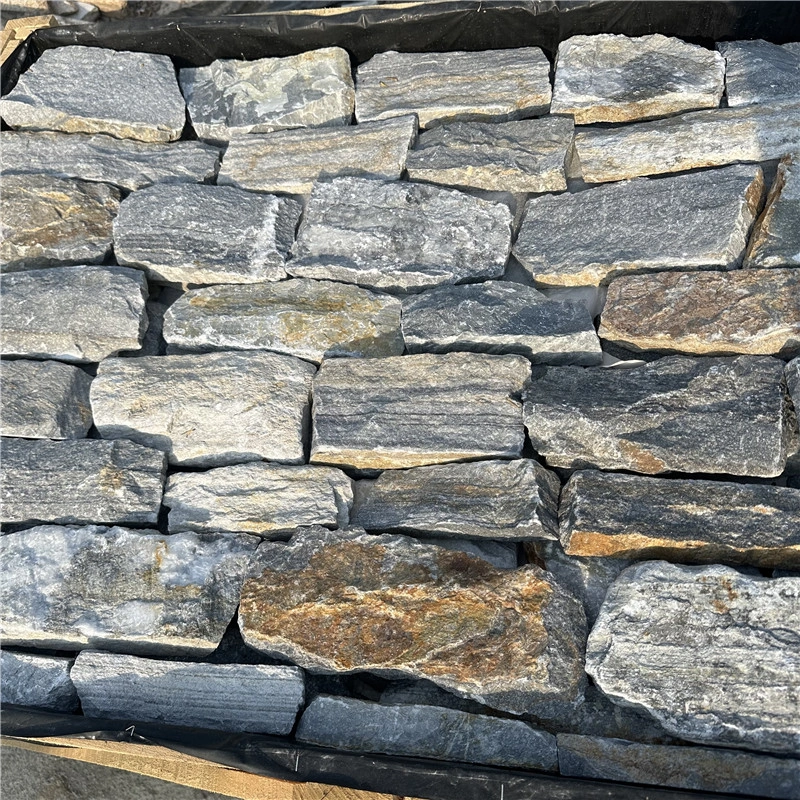
Beyond walls and interiors, Rustic Grey Stacked Stone can contribute to landscape and outdoor design. Its neutral grey appearance can work with planting, timber, concrete, gravel, and darker architectural materials, making it adaptable to different landscape concepts.
Possible applications include garden walls, retaining walls, outdoor structures, courtyard features, terrace areas, and selected hardscape elements. In residential landscaping, stacked stone can help connect the architecture of a house with its surrounding garden by repeating the same natural material across different areas.
For larger architectural or landscape projects, specification should consider the intended application, stone thickness, dimensions, surface finish, installation method, and local environmental conditions. Exterior use may require attention to moisture, freeze-thaw exposure, slip resistance, drainage, and other project-specific technical requirements.
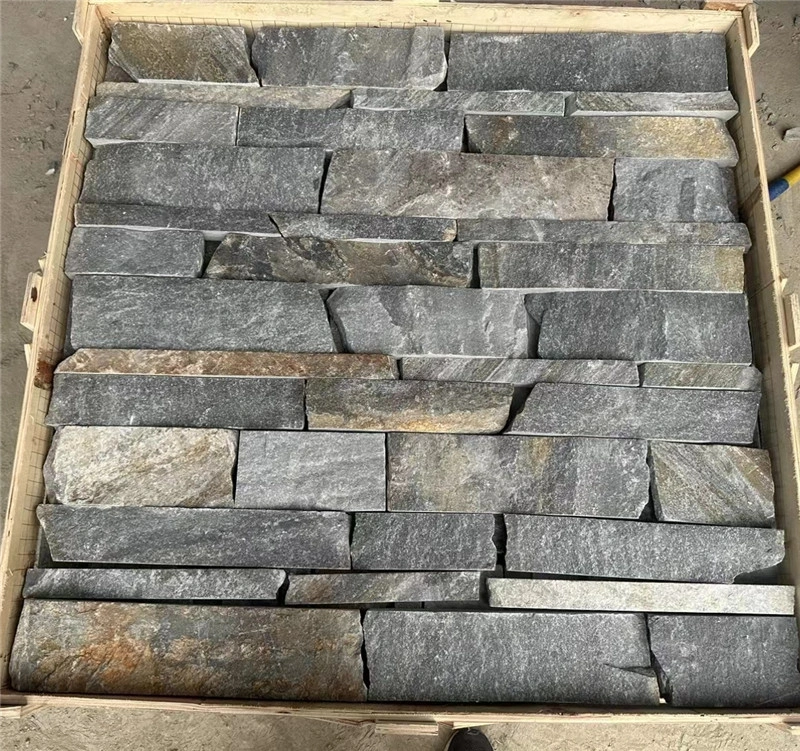
For buyers sourcing natural stone internationally, consistency of material appearance, available sizes, production capacity, packaging, and sample approval are also important. Natural stone naturally varies in color, texture, and stone shape, so agreeing on an acceptable range before production can help maintain a consistent project appearance.
Ultimately, Rustic Grey Stacked Stone is most valuable when it is treated as an architectural material rather than simply a wall covering. Its combination of neutral grey tones, natural texture, and irregular stone character allows it to work across modern residential architecture, hospitality, commercial interiors, and landscape design. By using it selectively and coordinating it with other materials, designers can introduce natural depth while maintaining a contemporary overall aesthetic.