Address:
Lujiadi No. 24, Xiama Village, Yuantou Town, Zanhuang County, Shijiazhuang, Hebei 051230, China
Work Hours:
Mon - Sat: 9:00 AM - 6:00 PM (GMT+8)
Address:
Lujiadi No. 24, Xiama Village, Yuantou Town, Zanhuang County, Shijiazhuang, Hebei 051230, China
Work Hours:
Mon - Sat: 9:00 AM - 6:00 PM (GMT+8)
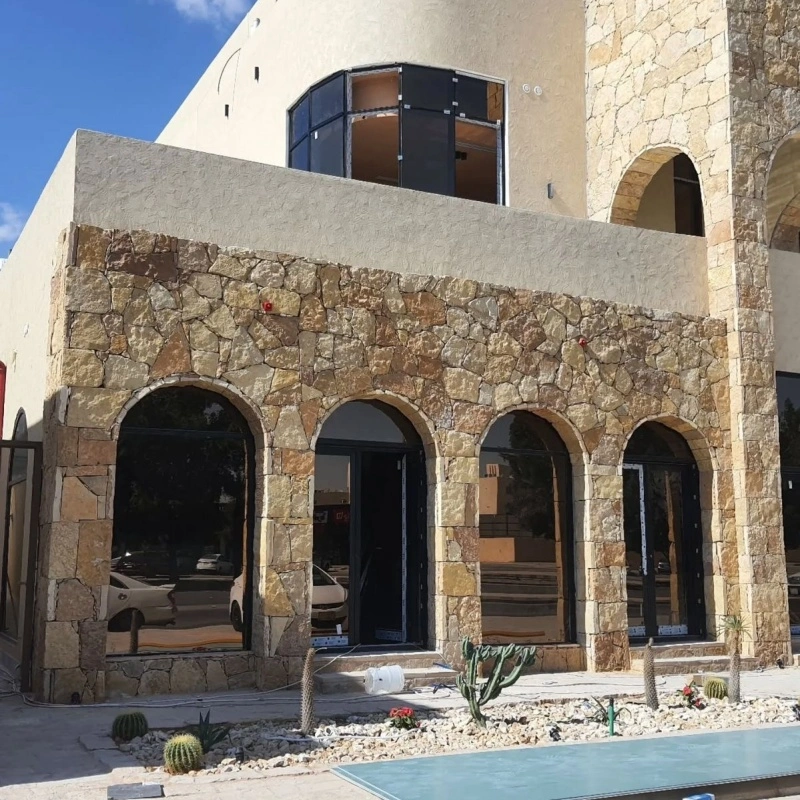
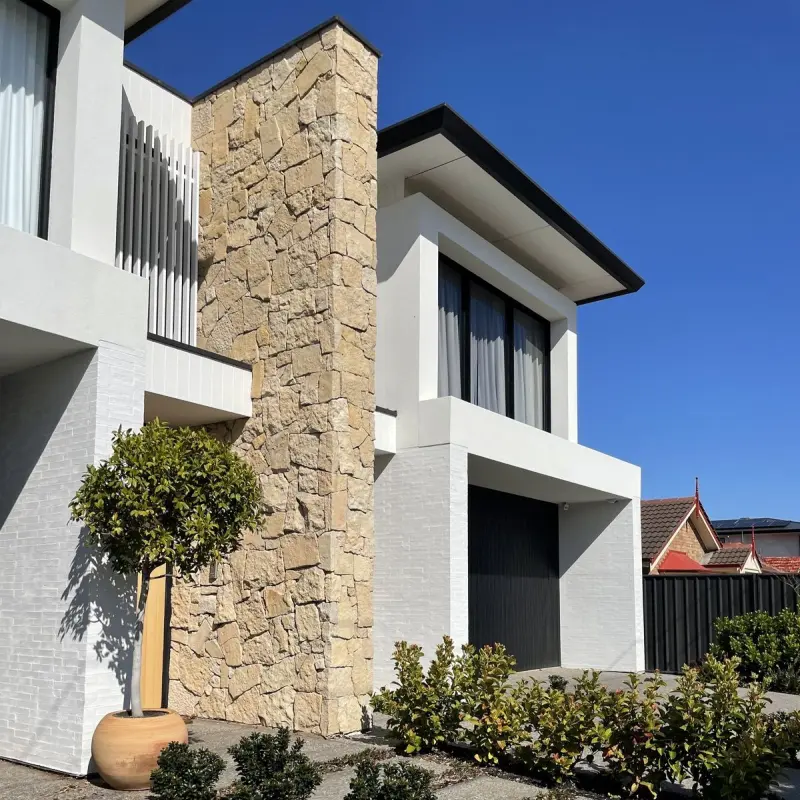
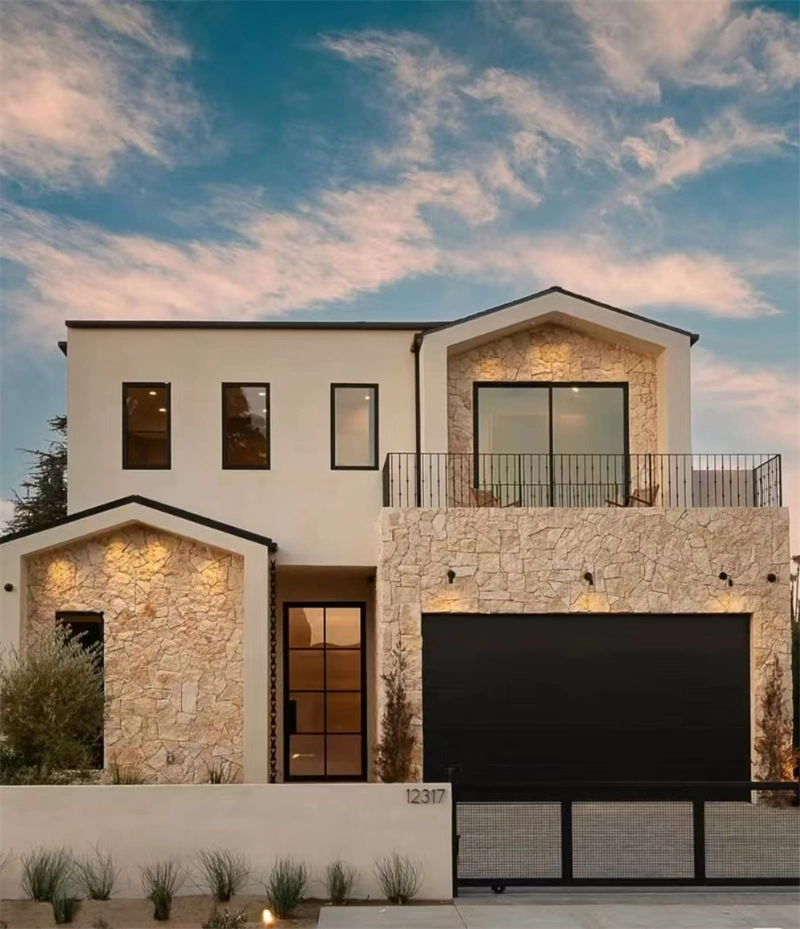
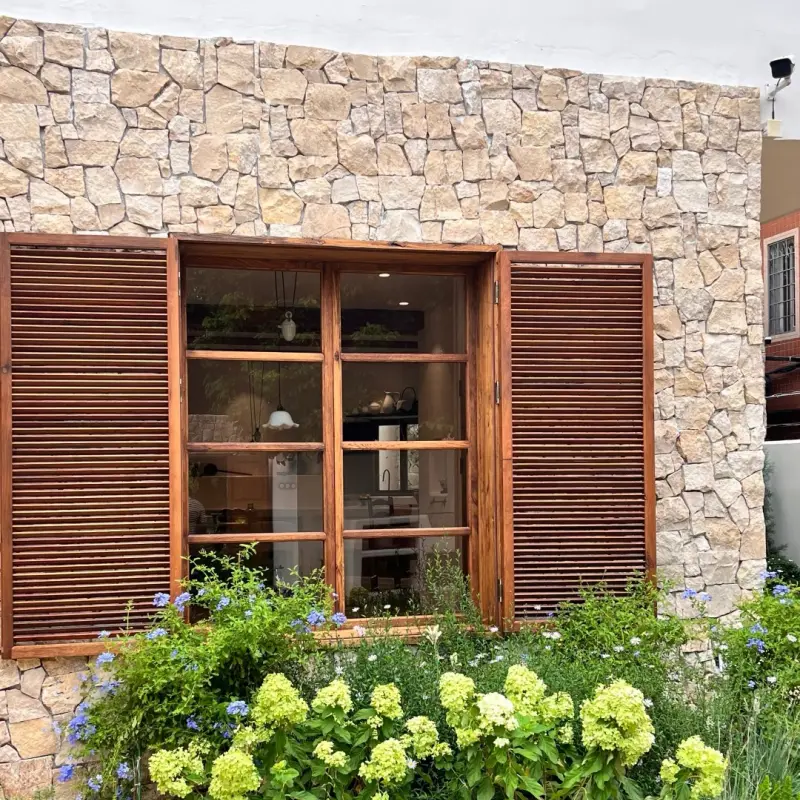
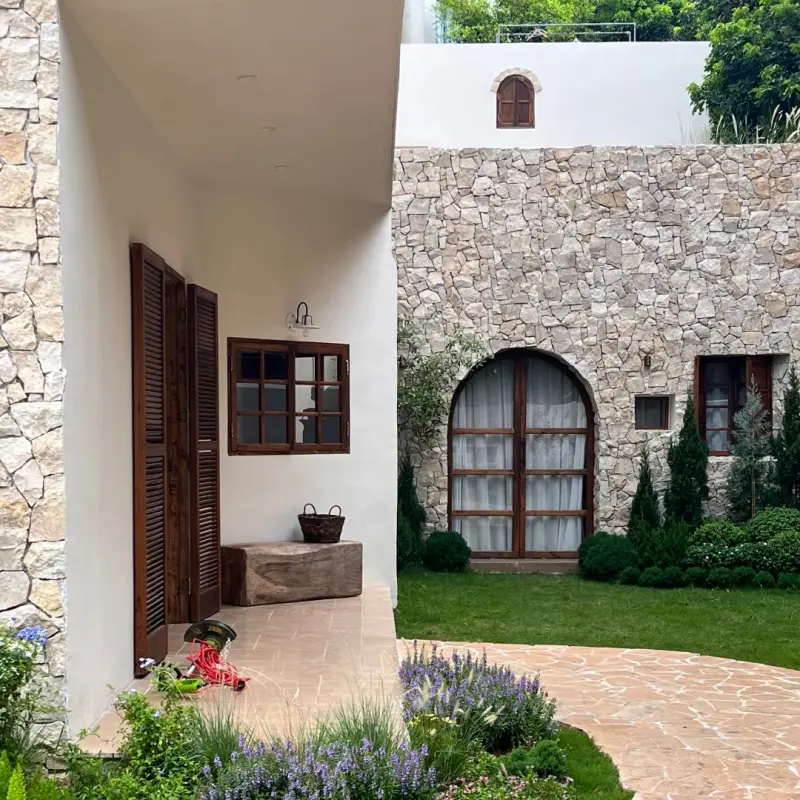
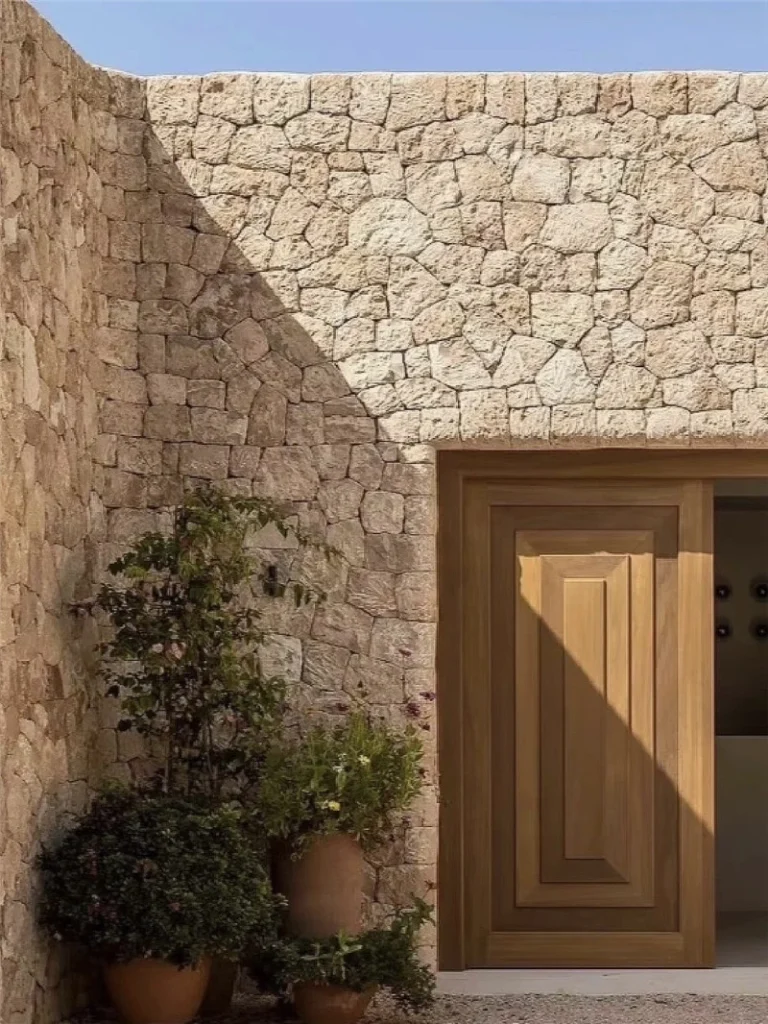
Dark Yellow Random Stone Cladding is a natural stone wall covering made from irregular pieces with deep yellow, golden, brown and earthy variations. Its random shapes give walls a less uniform appearance, while the darker yellow tones can add warmth and depth. Before choosing this material, check the stone color, piece size, thickness, surface and wall conditions.
Unlike regularly cut stone, Dark Yellow Random Stone Cladding does not create a fixed grid. Each piece may have a different outline and proportion, so the finished pattern depends on how the stones are selected and arranged. This suits projects where a natural irregular wall surface is preferred.
Dark Yellow Random Stone Cladding can be used on exterior feature walls, entrance walls, boundary walls, retaining walls and other architectural surfaces. It can also suit selected interior walls, fireplace surrounds and other accent areas when conditions are suitable.
First, check the actual color range. Natural stone is not completely uniform, and dark yellow material may contain golden, beige, brown or earthy tones. A small sample can show the general direction of the color, but a larger quantity should be reviewed to understand how the tones will be distributed across a wall.
The stone shape is equally important. Random pieces can vary in length, width and outline, which affects the finished surface. Larger pieces can create stronger areas of color, while smaller pieces can help fill gaps and balance the layout.
Thickness should also be confirmed in advance. Irregular cladding may have some variation, and the supplied thickness can influence adhesive coverage, joint depth and the finished wall plane. Knowing the material specifications before installation makes it easier to prepare the wall and select an appropriate fixing method.
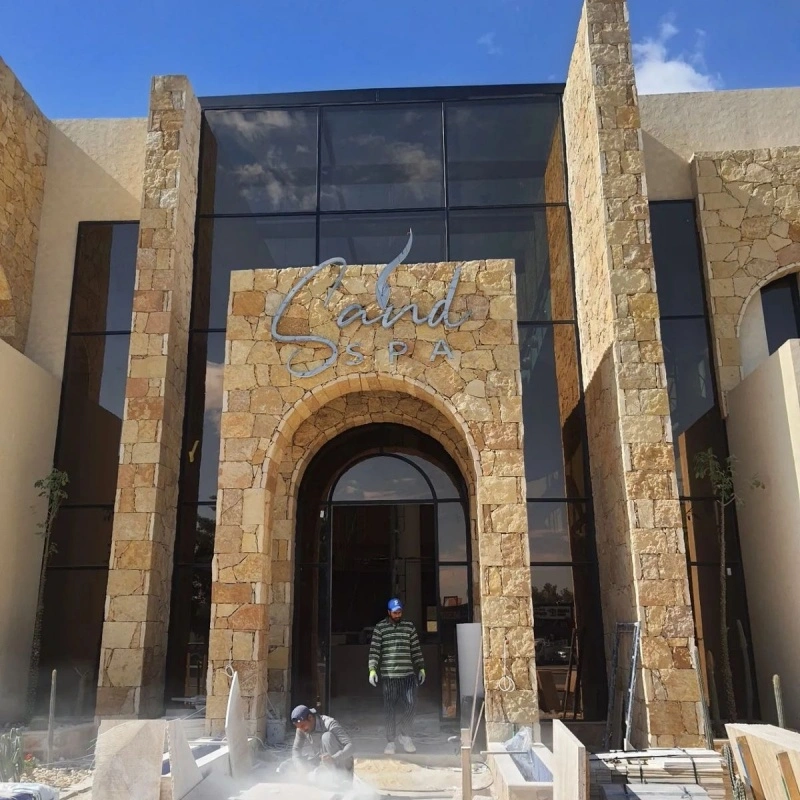
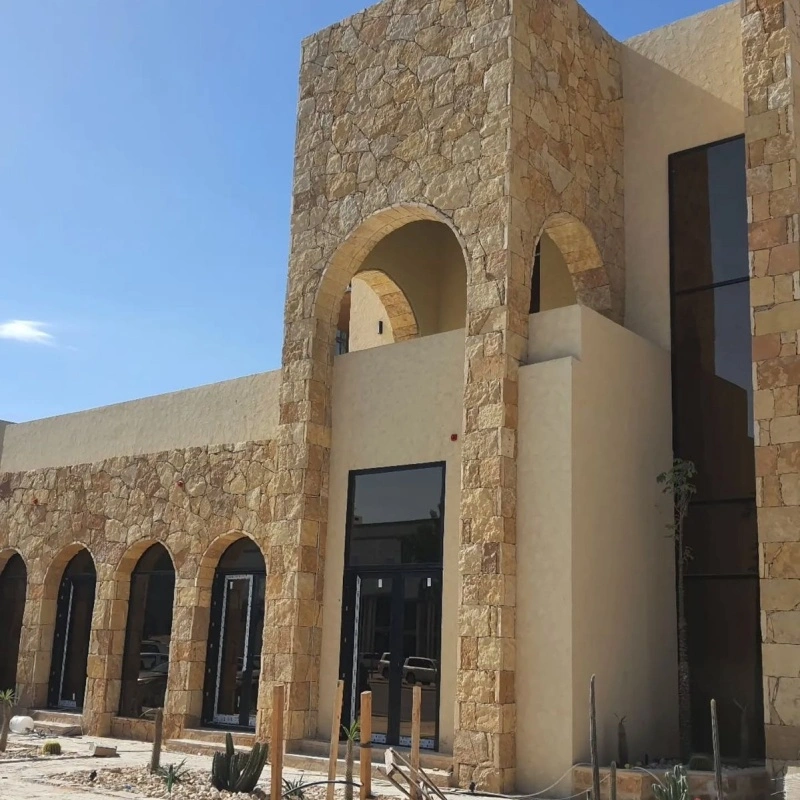
A random wall still benefits from careful planning. Before fixing the stones, spread them out and review the different sizes, shapes and tones. Avoid placing too many pieces with similar colors or outlines together. A balanced mix can help the wall look naturally random instead of creating obvious clusters.
Wall openings, corners and edges should be considered during the layout stage. Some areas may require cutting or selecting pieces with suitable shapes. For a long boundary or feature wall, review the entire surface instead of completing small sections separately.
The joint style should match the stone. Tighter joints can create a more continuous stone surface, while wider or more visible joints can emphasize the individual pieces. The choice depends on the stone shape, installation method and desired appearance.
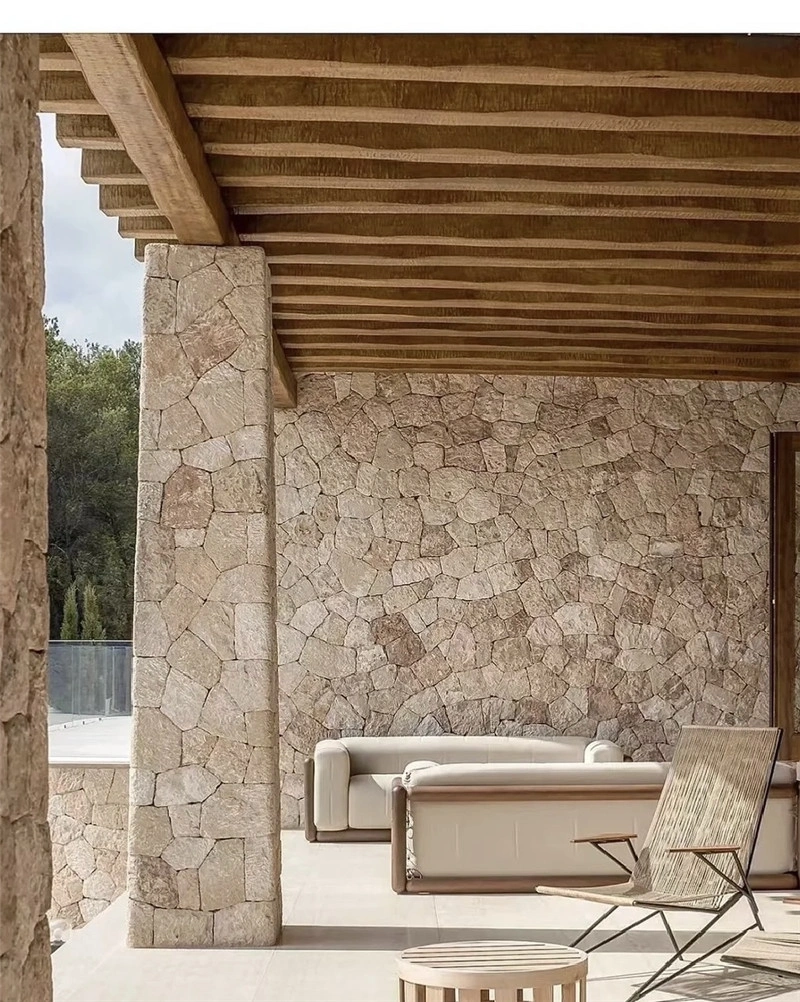
The wall substrate should be clean, stable and suitable for the selected installation system. Loose coatings, weak areas and moisture problems should be addressed before installation. For exterior walls, the installation should also account for weather exposure, drainage and the weight of the stone.
During installation, follow the planned arrangement instead of selecting pieces randomly from the package. Step back regularly to check the overall wall because the balance of color and shape is easier to judge from a distance. This is particularly useful with Dark Yellow Random Stone Cladding, where natural color variations contribute to the final appearance.
After fixing, remove excess installation material using a method suitable for the stone surface. Avoid changing the natural face unnecessarily. The irregular edges, split texture and natural color variation are part of the material’s character.
Dark Yellow Random Stone Cladding is most effective when its natural differences are included in the overall wall design. By checking the material, planning the layout and preparing the substrate properly, a wall project can achieve a balanced appearance while retaining the natural character of the stone.